Start with the bill. End with a number.
Tell us what you spend on electricity and how much backup you want. The estimator sizes the system and gives you one cost in Ghana Cedis — before anyone visits the site.
- 3 short steps
- 1 clear estimate
- 0 obligation
Your estimate appears here
Enter a bill (or your daily use), choose the backup you need, and the panel fills in: your system size, one estimated cost in Ghana Cedis and the annual generation estimate.
- One clear cost — equipment, installation and delivery included
- Every figure labelled as an estimate
- Send it to WhatsApp in one tap
Your estimate
How the number is built.
01 / Your consumption
A monthly bill is divided by the tariff in force to give daily use in kWh. If you already meter your daily consumption, that figure is used directly. Everything downstream starts from this number, not from a round package size.
02 / Array and inverter
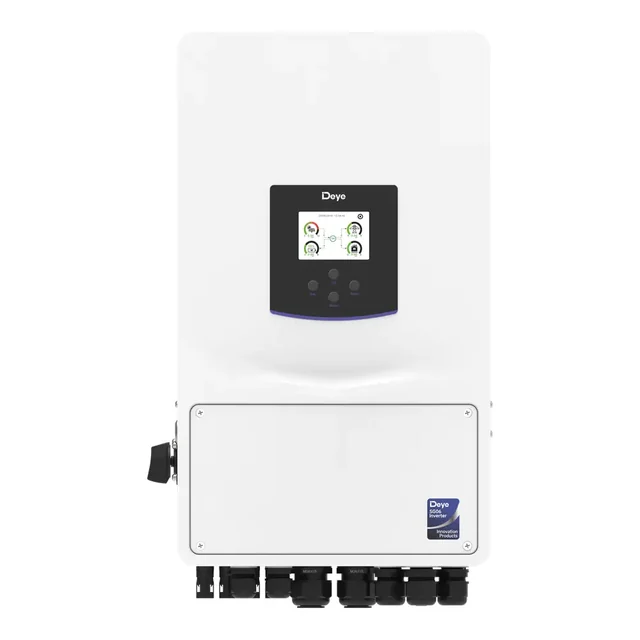
Daily use is divided by your region's solar resource and a performance ratio, then converted into 630 W modules. The inverter is matched to the resulting array with a DC/AC ratio kept within sensible limits, so the array is not oversized against the inverter.
03 / Storage and price
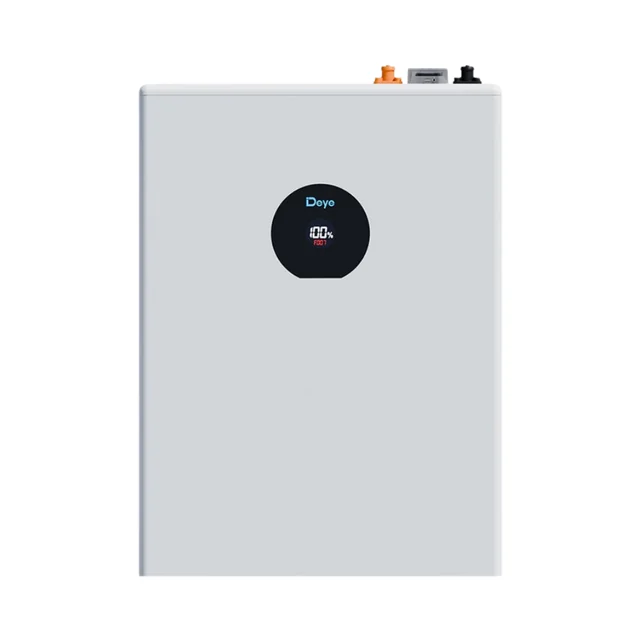
Backup hours become a usable battery capacity at 90% depth of discharge, rounded up to the next available pack. Modules, inverter, battery, balance of system, installation and delivery are then added into one cost in Ghana Cedis.
What the estimate covers — and what it does not.
Included
- PV modules — Tier-1 N-type 630 W modules, quantity matched to your array size
- Deye hybrid inverter — a model matched to the array, single or three-phase
- LiFePO4 battery storage — capacity matched to the backup hours you chose, 10-year warranty
- Balance of system — mounting structure, DC and AC cabling, protection
- Installation — mounting, commissioning and handover by Techengy's own team
- Delivery — logistics to your site
Confirmed on site
- Roof or mounting structure — covering type, condition and usable area
- Shading and orientation — trees, parapets, neighbouring buildings, tanks
- Electrical supply — existing switchgear, cable routes and the backup board
- Essential circuits — which circuits actually go on the battery
- Access and scaffolding — where the roof is difficult to reach
A site assessment turns this estimate into a written quotation with the roof, the switchgear and the backup circuits confirmed.
The figures behind the estimate.
- Tariff used
- GHS 2.40 per kWh to convert a bill into daily consumption. ECG tariffs are reviewed periodically, so re-run the estimate if your bill changes.
- Solar resource
- 4.1 kWh per kWp per day on the coast, 4.0 in the middle belt and 4.3 in the north — planning values for Ghana, consistent with a national median near 4.0.
- Performance ratio
- 0.80, covering inverter losses, temperature, soiling and cabling.
- Battery use
- 90% of nameplate capacity treated as usable, which is normal for LiFePO4 packs.
- Installation and delivery
- Stepped by system size. Larger systems and unusual roofs are quoted individually.
Send the estimate. We will check it against the site.
Send your estimate on WhatsApp and we reply with the next steps, or use the form to request a load and site assessment. If you already have images of the rooftop, that shortens the visit.
Prefer to talk it through? Call or WhatsApp +233 54 925 3380, or write to info@techengysolutions.com.