What we have learned about solar in Ghana.
Sizing, tariffs, batteries, maintenance and payback — written by the team that supplies and installs the systems, for the questions that decide whether solar pays for itself here.
Newest first.

The hidden trap of “cheap” solar: why low-quality panels destroy your ECG bill savings
Cheap solar is the fastest way to lose the savings it was bought for. Heat, grid spikes, battery chemistry and a warranty that never travels decide whether the system pays for itself.
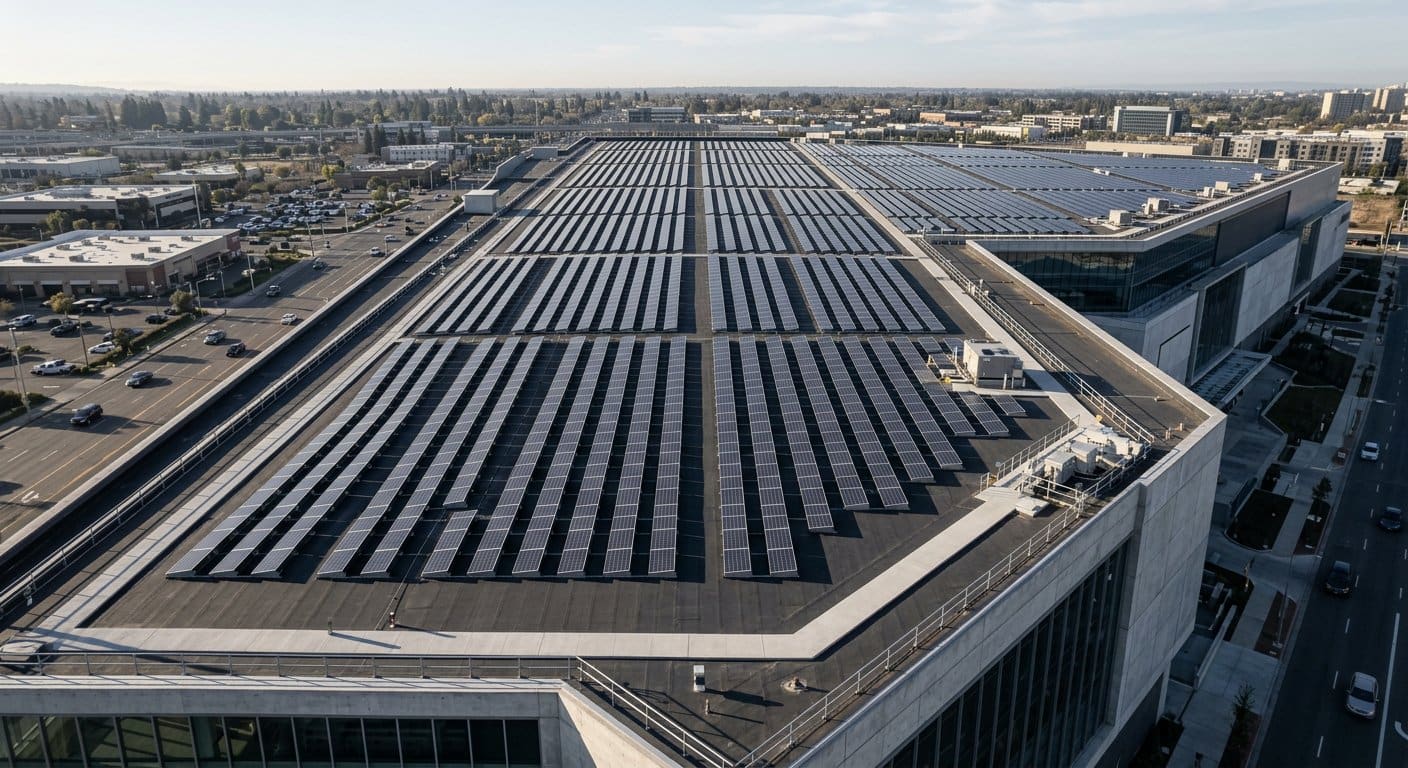
How to think about solar cost against current ECG tariffs
Payback is not a property of a panel. It is a property of your tariff band, your daytime load, and a PURC schedule that changes. Here is how to use the published April 2026 rates without treating a round number as a guarantee.
Sizing battery storage for real outages
Two numbers decide whether a battery system meets your expectations, and most quotations only make one of them obvious. Confusing kilowatts with kilowatt-hours is the commonest reason a correctly built installation still disappoints.
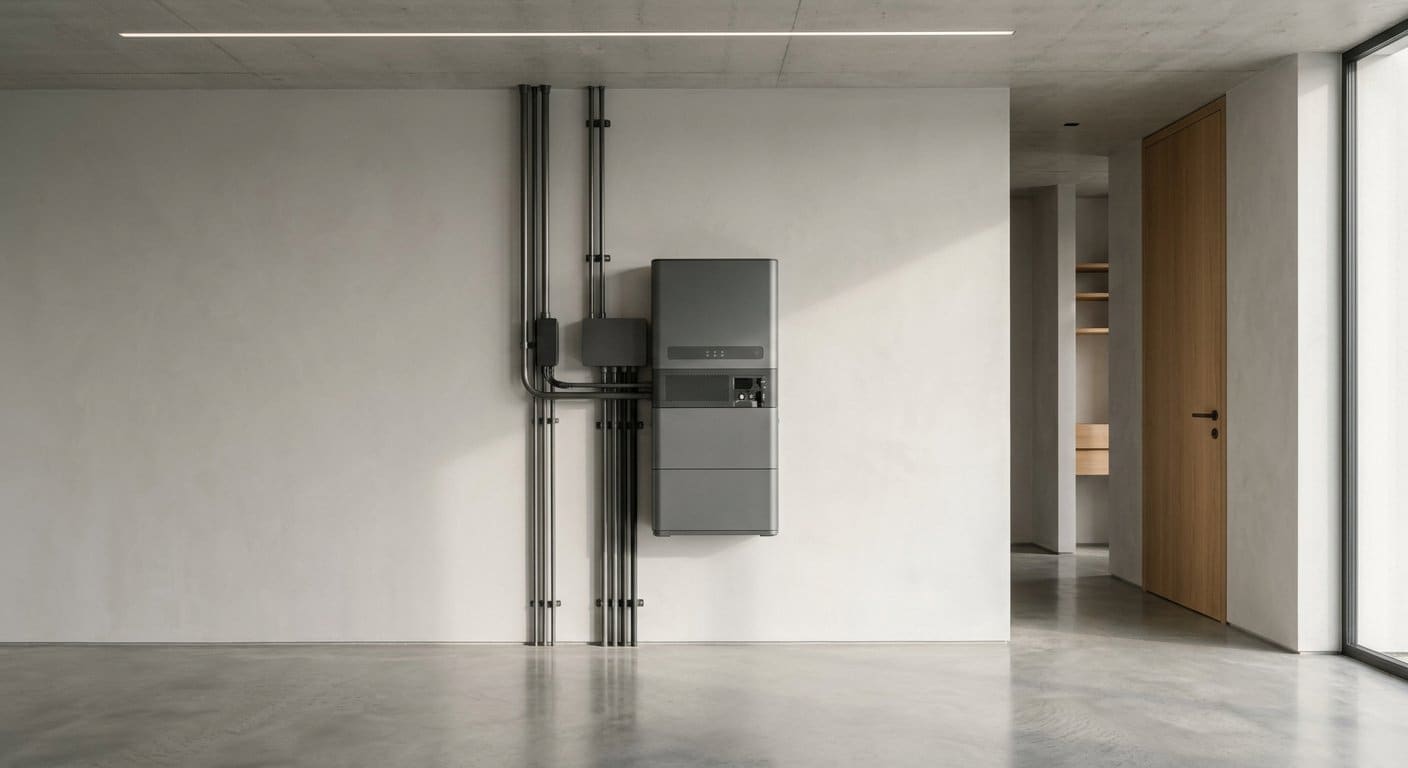
Why solar output falls, and what actually restores it
Production rarely collapses. It drifts down slowly enough that nobody notices until a bill looks wrong, and by then the cause is months old. Three things account for most of the loss, and only one of them is dirt.
Sizing a solar system: what your bill actually tells you
Most sizing conversations start with panel count. They should start with when you use power, because that single fact decides whether you need a large array, a large battery, or neither.
Articles on materials and smart home too? See everything in Resources.
Calculate how much you can save on your ECG bill today.
Start with the bill you already have. The estimator sizes the system from your consumption and returns one estimated cost in cedis.
Open the solar calculator