How to think about solar cost against current ECG tariffs
Payback is not a property of a panel. It is a property of your tariff band, your daytime load, and a PURC schedule that changes. Here is how to use the published April 2026 rates without treating a round number as a guarantee.
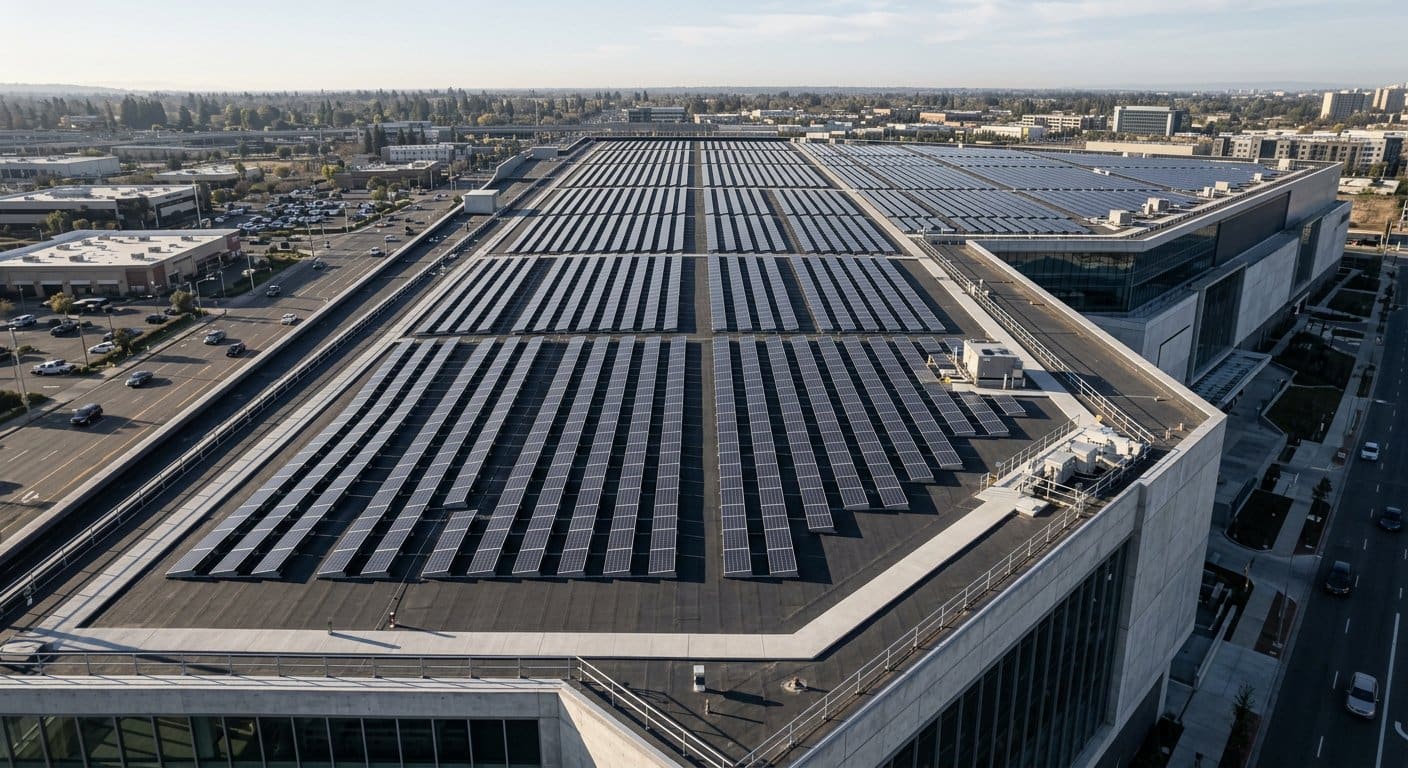
The most common question we are asked about solar in Accra is not technical. It is “how long until it pays for itself?” A honest answer cannot be a single number on a website. It depends on which ECG band you are actually on, how much of your consumption falls in daylight, and a tariff that PURC is mandated to review.
The tariff is public. Treat it as a moving input.
The Public Utilities Regulatory Commission publishes electricity rates and reviews them. The figures below are the approved energy charges effective 1 April 2026, from PURC’s second-quarter 2026 tariff review. They are not Techengy prices, they are not a quote, and they will be superseded the next time the Commission issues a decision.
- Residential lifeline, 0–30 kWh: 86.90 GHp/kWh, with a monthly service charge of 213 GHp.
- Other residential, 0–300 kWh: 196.88 GHp/kWh; 301 kWh and above: 260.15 GHp/kWh. Monthly service charge 1,073 GHp.
- Non-residential, 0–300 kWh: 177.75 GHp/kWh, with a higher band above that.
- Special-load and EV-charging categories have their own published energy charges.
Two practical consequences. First, a household that sits above 300 kWh is valuing each displaced kilowatt-hour at the higher residential band, not the lower one — so the same solar kilowatt-hour is worth more to them on paper than to a neighbour on the 0–300 band. Second, the monthly service charge does not go away because you installed panels. Offset calculations that ignore it overstate the saving.
What a kilowatt-hour displaced is actually worth
Solar only reduces the variable energy charge for the units you no longer import. If you are a residential customer in the 0–300 kWh band at the April 2026 rate, each kilowatt-hour you genuinely do not buy is worth 196.88 GHp at that tariff. If your consumption sits in the 301+ band, the marginal unit is worth 260.15 GHp. Those are the published energy charges, not a forecast.
That arithmetic only holds for units the array actually covers. Generation in the middle of the day does not offset an evening air-conditioner unless a battery moves it. A quotation that multiplies your entire monthly kWh by the top-band rate, then divides a system price into that, is not a payback calculation. It is a marketing slide.
Daytime load is the multiplier that quotations hide
An office, a shop or a school consumes while the array generates. A household that empties at 07:00 and fills at 18:00 consumes after generation has fallen. Without storage, the second building exports or wastes the middle of the day and still buys the evening from ECG.
This is why two buildings with the same monthly kWh can have completely different paybacks, even on the same tariff. The assessment that splits base load, daytime load and evening load is not bureaucracy. It is the only way the tariff figure above becomes a number that belongs to your building.
What we will not put on this page
- A system price. Equipment, structure, electrical work and access vary by site. A website figure would be a fiction.
- A payback year. It would require a frozen tariff, a frozen consumption pattern, and a yield we have not yet modelled for your roof.
- A savings percentage. Percentage of what — last month’s bill, a hot-season bill, or a bill that already assumed a different tariff?
What we will put in a written proposal, once the load and the roof are known: the design basis, the assumed generation, which circuits sit on backup, and the tariff band used for the offset illustration, dated. If PURC has moved the rates by the time you compare quotations, the illustration should be updated rather than defended.
How to use this the next time someone quotes you
- Ask which ECG customer class and band they used, and the date of the PURC schedule.
- Ask what fraction of your consumption they treated as daytime, and from which bills.
- Ask whether the monthly service charge was left in the bill, as it should be.
- Ask for usable battery capacity in kWh and continuous output in kW separately, if storage is in the quote — they are not the same number.
- Treat any payback that cannot show those inputs as a guess.

The hidden trap of “cheap” solar: why low-quality panels destroy your ECG bill savings
Cheap solar is the fastest way to lose the savings it was bought for. Heat, grid spikes, battery chemistry and a warranty that never travels decide whether the system pays for itself.
Sizing battery storage for real outages
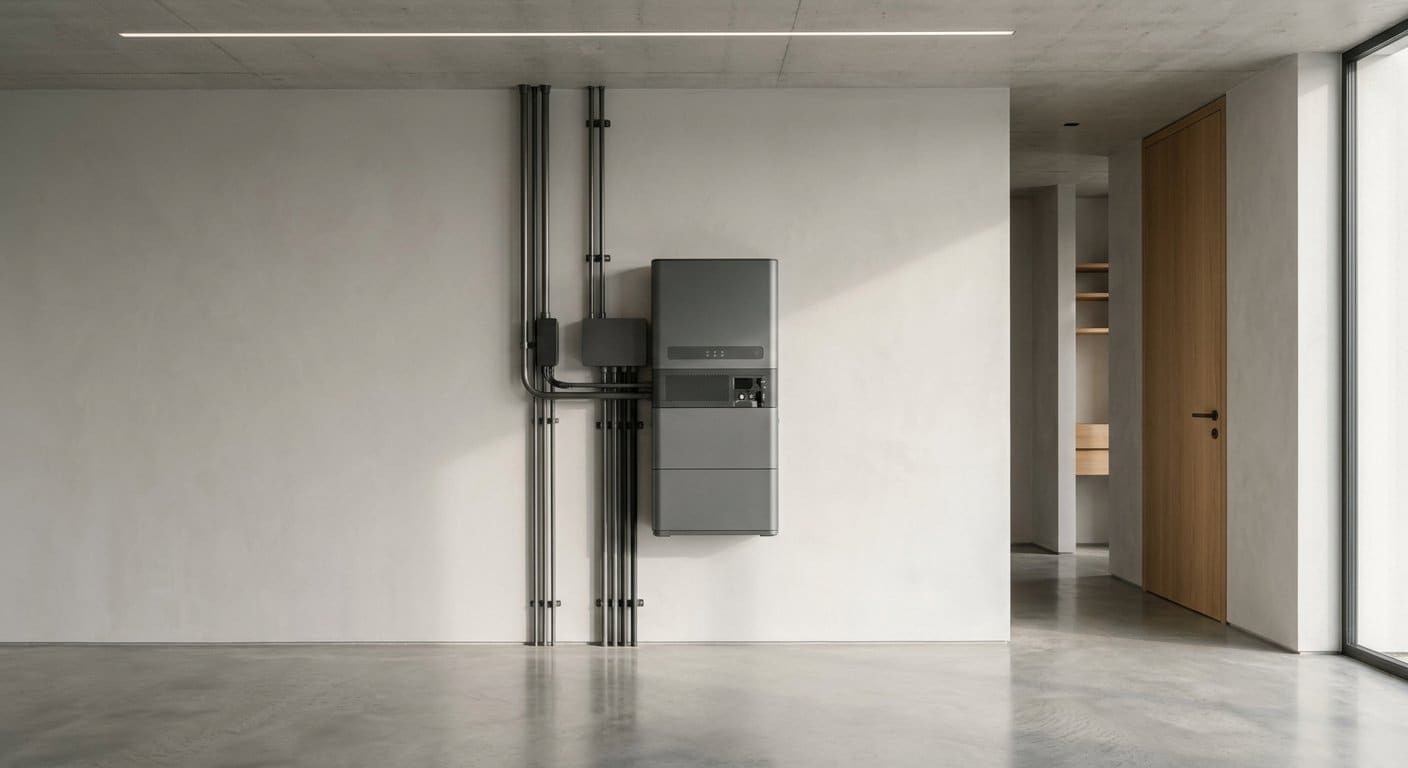
Two numbers decide whether a battery system meets your expectations, and most quotations only make one of them obvious. Confusing kilowatts with kilowatt-hours is the commonest reason a correctly built installation still disappoints.
Why solar output falls, and what actually restores it
Production rarely collapses. It drifts down slowly enough that nobody notices until a bill looks wrong, and by then the cause is months old. Three things account for most of the loss, and only one of them is dirt.
Calculate how much you can save on your ECG bill today.
Start with the bill you already have. The estimator sizes the system from your consumption and returns one estimated cost in cedis — no site visit and no sales call, and a formal quotation follows if you want one.
Open the solar calculatorGet a free, no-obligation solar estimate in 60 seconds. Click here to use our calculator.