Why solar output falls, and what actually restores it
Production rarely collapses. It drifts down slowly enough that nobody notices until a bill looks wrong, and by then the cause is months old. Three things account for most of the loss, and only one of them is dirt.
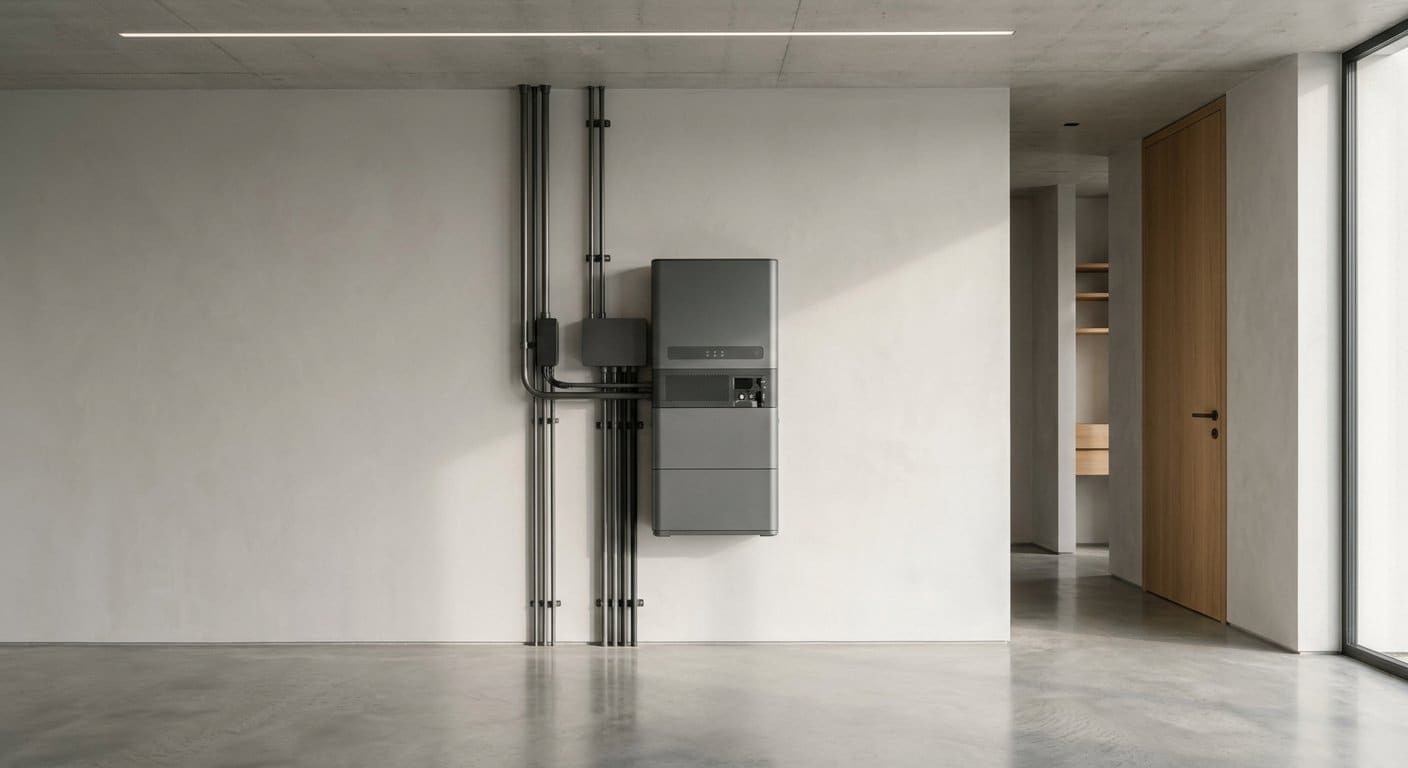
Solar arrays fail quietly. A dead inverter announces itself, but that is not the common case. The common case is a system that produces steadily less each month while continuing to look, from the ground, entirely healthy.
Dust, and the harmattan in particular
A film of dust reduces output across the whole array at once. It builds gradually and evenly, which is precisely why it goes unnoticed — there is no day on which anything visibly changes. During the harmattan, when fine dust is suspended in the air for weeks, soiling accumulates faster than at any other time of year.
Rain helps, and it is not a substitute for cleaning. Runoff clears the middle of a panel while leaving a band of accumulated grime along the lower edge of the frame, and that band shades the bottom row of cells. Panels that are never cleaned because it rains often enough are usually the ones carrying a permanent line of dirt where it does the most harm.
Shade is not proportional
This is the part that surprises people. Shading a small part of an array does not cost you a small part of its output. Cells in a string carry the same current, so the weakest cell governs the rest. A single shaded panel can drag down the string it belongs to.
Bypass diodes limit the damage but do not eliminate it. What matters is that shading changes over time in ways nobody plans for: a tree grows, a neighbour builds a storey, a vent pipe or new antenna is installed. An array commissioned in clear sun can be partly shaded three years later, and the loss appears in the bill rather than anywhere visible.
Heat, which is unavoidable but manageable
Panels are rated in laboratory conditions at a moderate cell temperature. Real roof temperatures are far higher, and output falls as cell temperature rises. This is normal and is designed for — but it means mounting matters. Panels need clear air behind them to shed heat.
Where panels are laid tight to a hot roof with little clearance, they run hotter and produce less for the entire life of the installation. It is a design decision that cannot be corrected by maintenance afterwards.
What maintenance actually consists of
- Wash with clean water and a soft brush, early morning or late afternoon. Never spray cold water onto glass at peak heat, and never use abrasives or detergent, which leave residues that attract more dust.
- Clean the lower edge of every panel deliberately. It is where runoff deposits grime and where shading costs the most.
- Look for discolouration, browning or fogging under the glass, and any sign of moisture inside a laminate. These are panel-level faults, not cleaning problems.
- Check mounting hardware and roof penetrations. Fixings loosen under thermal cycling, and a seal that has failed is a roof problem before it is an electrical one.
- Read the inverter's fault log rather than its front panel. Intermittent faults clear themselves and appear nowhere else.
- Open and inspect DC isolators and enclosures for dust ingress and insects, both of which are routine here and cause faults that look electrical.
- Re-survey for new shading — a growing tree, new construction, a newly installed pipe or aerial.
Monitoring turns a guess into a number
Without monitoring, the first evidence of a problem is a bill, months after the cause. With it, you can compare production against a clear day earlier in the year and see a decline while it is still small. Monitoring does not improve output by itself; it is what makes everything above actionable rather than speculative.
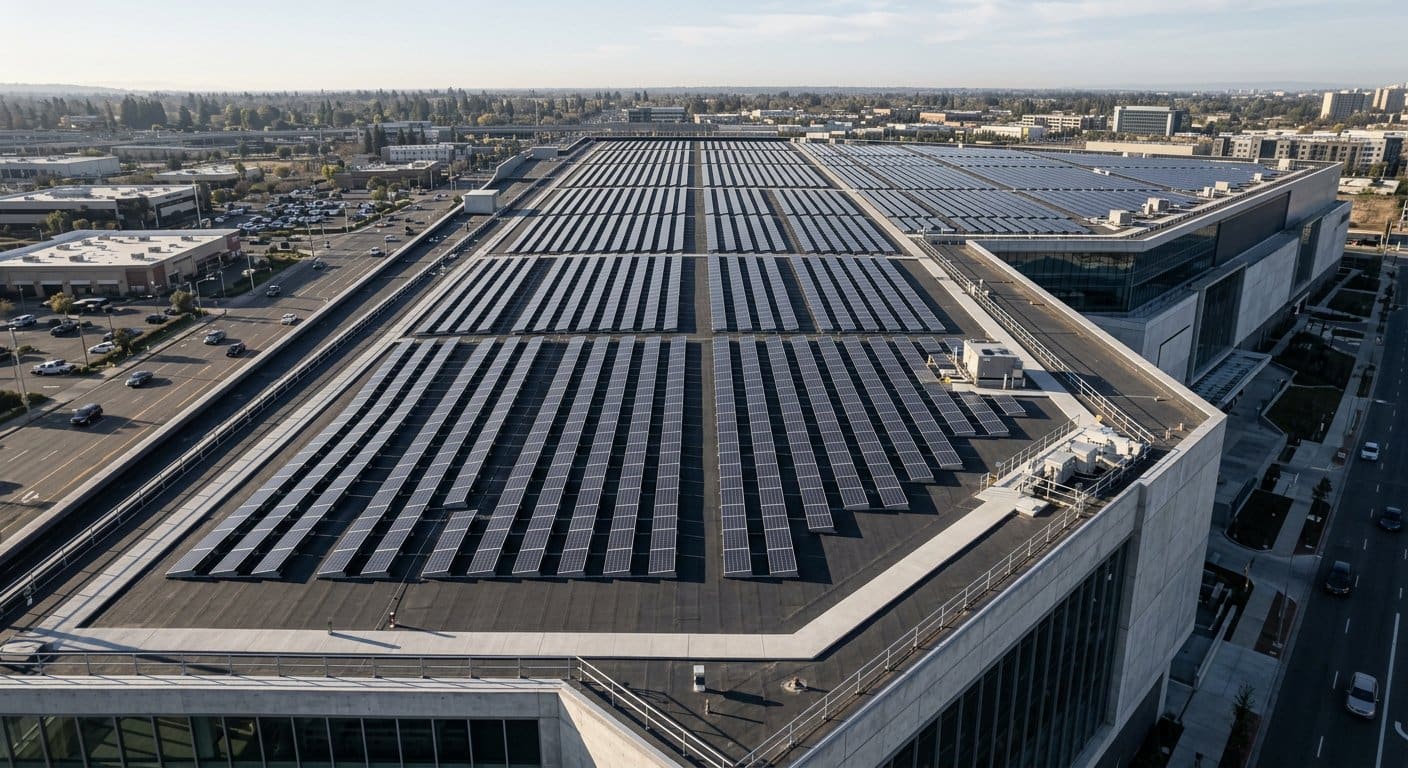
How to think about solar cost against current ECG tariffs
Payback is not a property of a panel. It is a property of your tariff band, your daytime load, and a PURC schedule that changes. Here is how to use the published April 2026 rates without treating a round number as a guarantee.
Sizing battery storage for real outages
Two numbers decide whether a battery system meets your expectations, and most quotations only make one of them obvious. Confusing kilowatts with kilowatt-hours is the commonest reason a correctly built installation still disappoints.
Sizing a solar system: what your bill actually tells you
Most sizing conversations start with panel count. They should start with when you use power, because that single fact decides whether you need a large array, a large battery, or neither.
Planning something along these lines?
Send drawings, a room schedule, or photographs of the space. We will tell you what it needs and what it costs.
Get a consultation