A roof that pays for itself.
Techengy designs, supplies and installs this roof-integrated solar system for projects in Ghana. These are not panels bolted onto a roof: the arched glass tiles are the roof, laid in a conventional course with an 85 mm lap and up to 32 W of generation per tile.
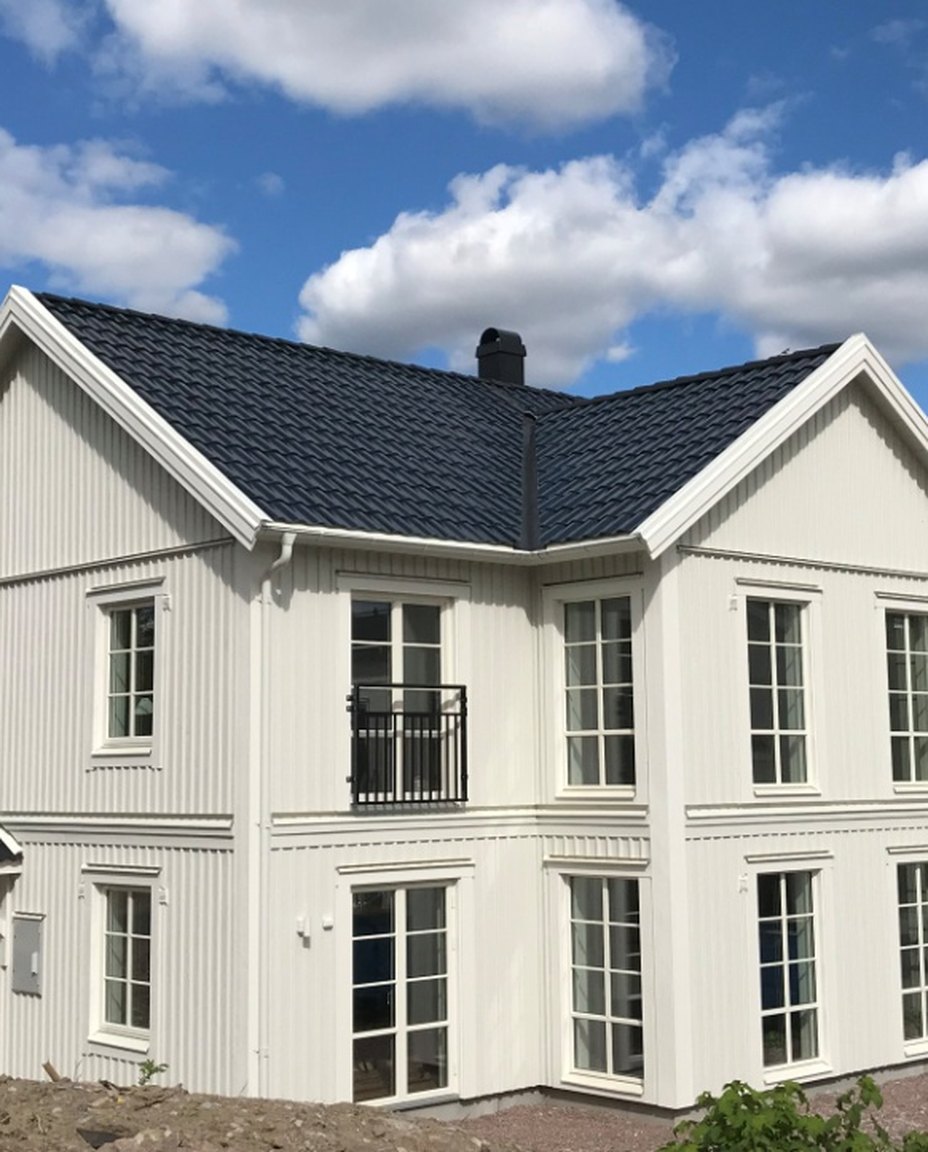
One roof, one trade, one contract.
You are buying a roof anyway
A conventional installation costs you a roof and then a set of panels on top of it. Here the roofing and the generation are one purchase, so what solar actually costs you is only the difference between the two roofs.
Nothing penetrates the roof
No rails, no brackets, no bolts driven through your waterproofing. Each tile laps the one below it — the way a clay roof has always worked.
It survives the weather here
Class F wind rating to 177 km/h and IP67 sealing. Rear ventilation pulls heat off the back of each cell, which matters more in Accra than in the climates these were first tested in.
The colour is in the tile.
Pigment sits over the cell, so a coloured tile gives up some output for the sake of the elevation. That trade is worth stating plainly rather than hiding inside an average.
Grey
Highest output. The default where generation is the priority.
Red
For streetscapes where the roof has to read as terracotta.
Green
Specified where a roof is overlooked and must sit into landscape.
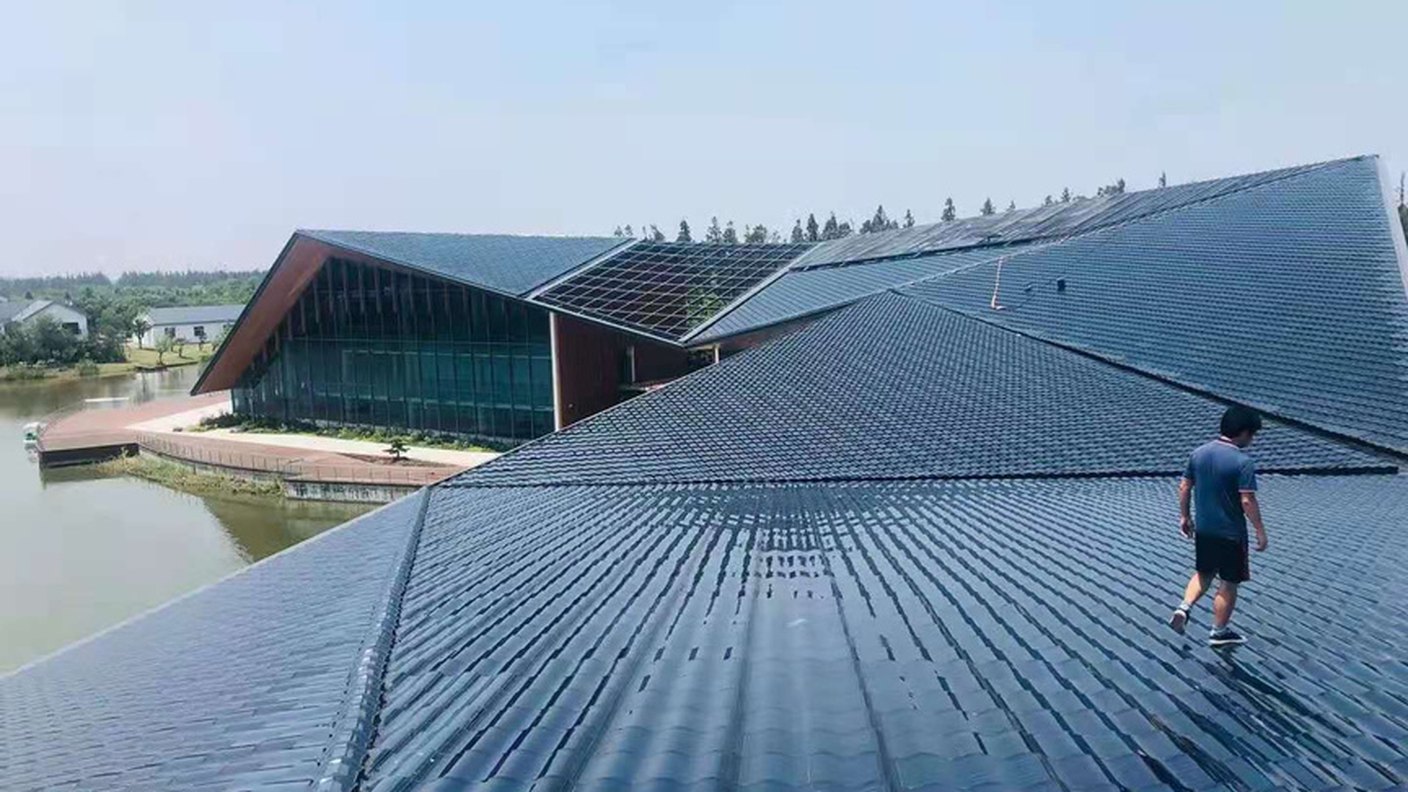
The finished roof is walkable — installers work directly on it.
Tested the way a roof gets treated.
Walked on, repeatedly
Multiple trampling tests. Installers work directly on the finished roof.
Driven over
A car was run over a tile without damaging it.
Hail and ball drop
Impact tested against hail and a dropped steel ball.
Lightning protection
Protection is part of the system rather than an addition to it.
Waterproof to IP67
85 mm overlap and sealed edges. The tile is the weatherproofing layer.
Heat and snow shedding
A ventilated cavity behind each tile drives an air current that cools the cell.
Manufacturer data.
Every figure below is the manufacturer's published data for this tile. We reproduce it as supplied and do not restate it as our own guarantee. Warranty and certification are matters between you and the manufacturer; what we take responsibility for is the supply and the installation.
- Peak power (STC)
- 32 / 30 / 28 / 25 W grey · 25 / 23 / 21 / 18 W red and green
- Tile size
- 721 × 500 × 33 mm
- Weight
- 6.5 kg ± 0.5 kg per tile
- Frame
- Aluminium alloy
- Junction box
- IP67, MC4 connectors
- Colours
- Grey, red, green
- Glass transmittance
- Greater than 91.5%
- Fire rating
- Class A
- Wind rating
- Class F — tested to 177 km/h, withstood 15 typhoons
- Overlap
- 85 mm tile to tile, with 25 mm and 34 mm edge safety zones
- Design life
- 25 years (manufacturer figure)
- Certification
- UL certified (USA), per the manufacturer. 131 patents held on the system.
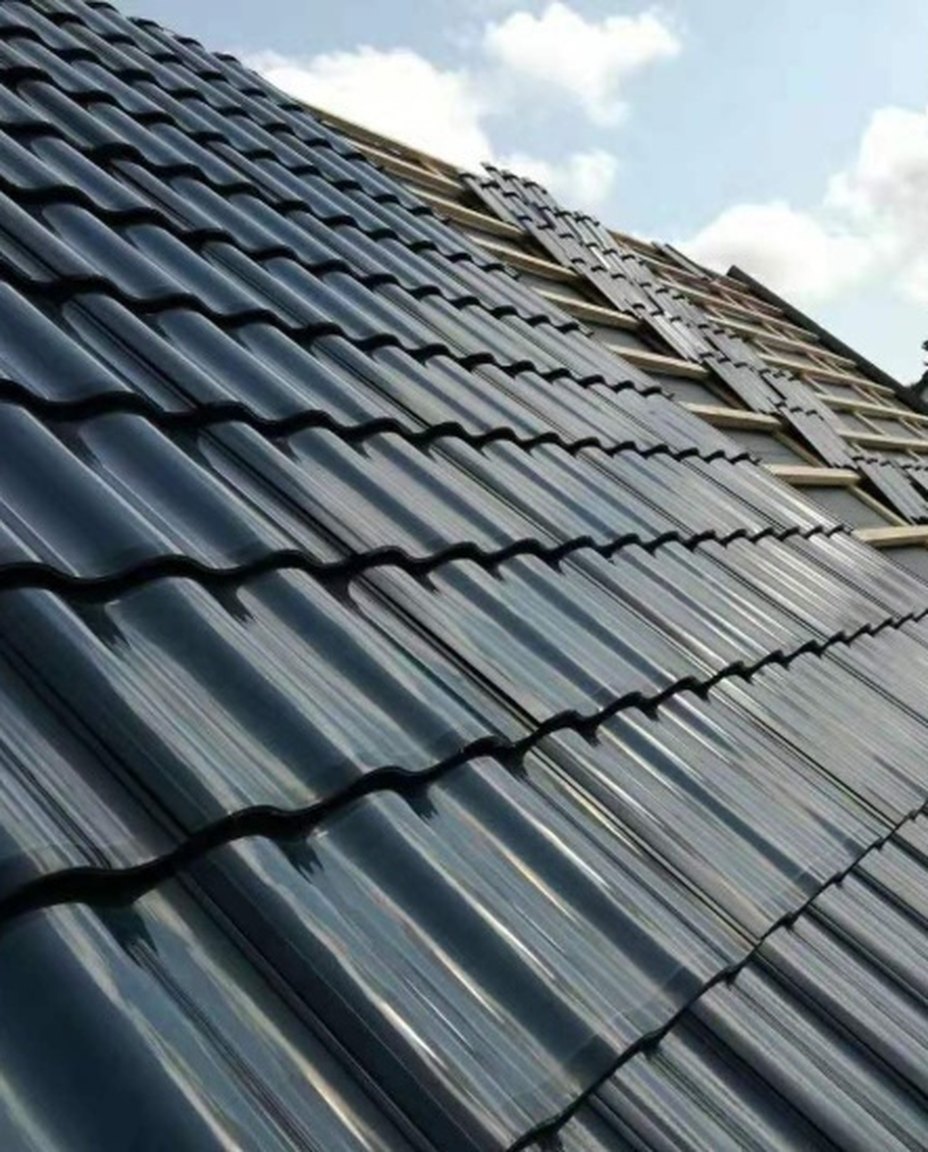
Laid left to right, bottom to top.
Tiles overlap 85 mm and adjust left and right as they are laid, which absorbs the small errors every roof carries. Without that movement the errors accumulate, the arches stop aligning, and the roof stops being waterproof.
A damaged tile is replaced in two movements — push it up, lift it out. Nothing around it is disturbed. Matching ridge, edge, ditch and three-way ridge tiles are part of the system, so the whole roof is one product rather than solar in the middle and something else at the perimeter.
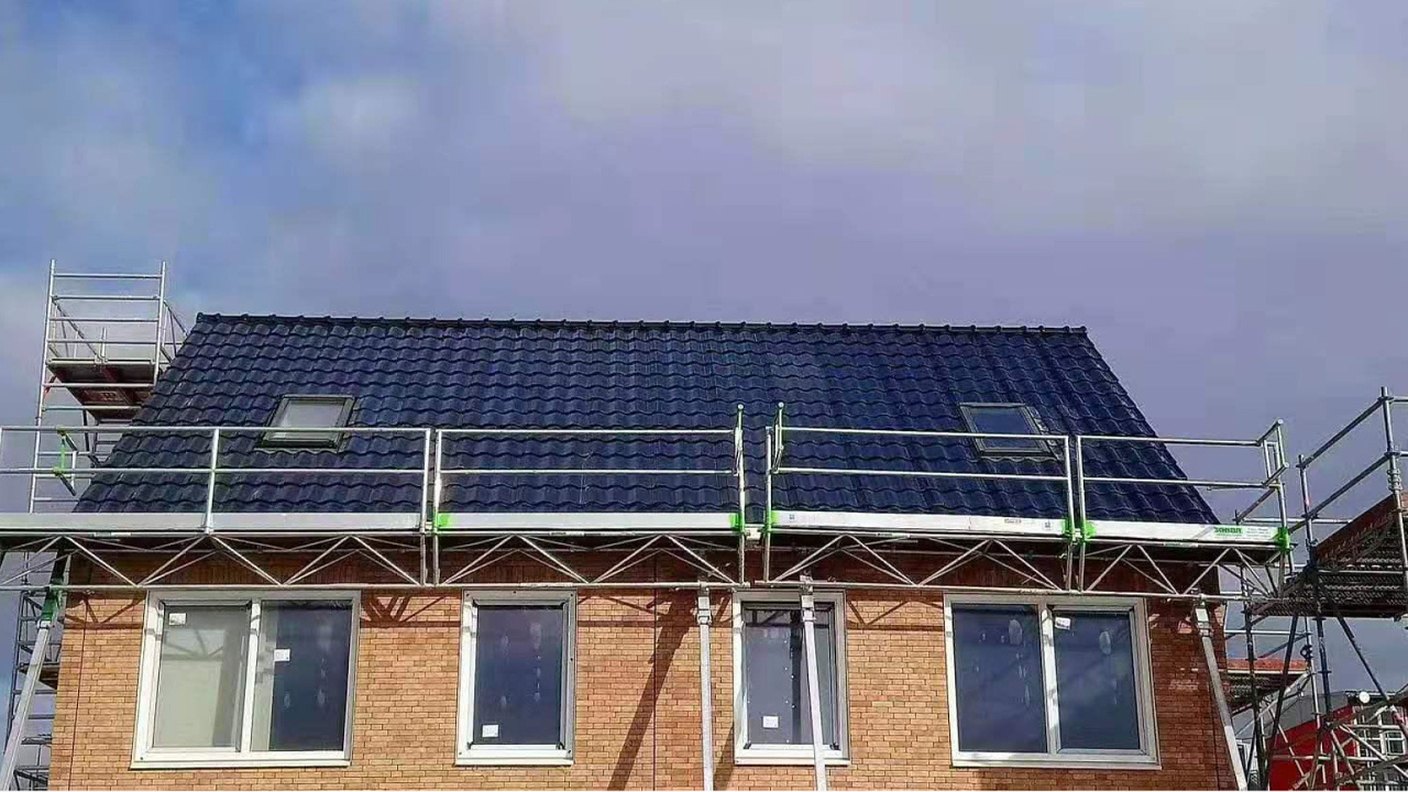
Roofs where appearance is not negotiable.
- New builds, where the roof budget is unspent and can be redirected
- Re-roofing — replace the covering and gain generation in one trade
- Estates and schemes whose appearance rules exclude panels
- Hospitality and heritage buildings where racking would be unacceptable
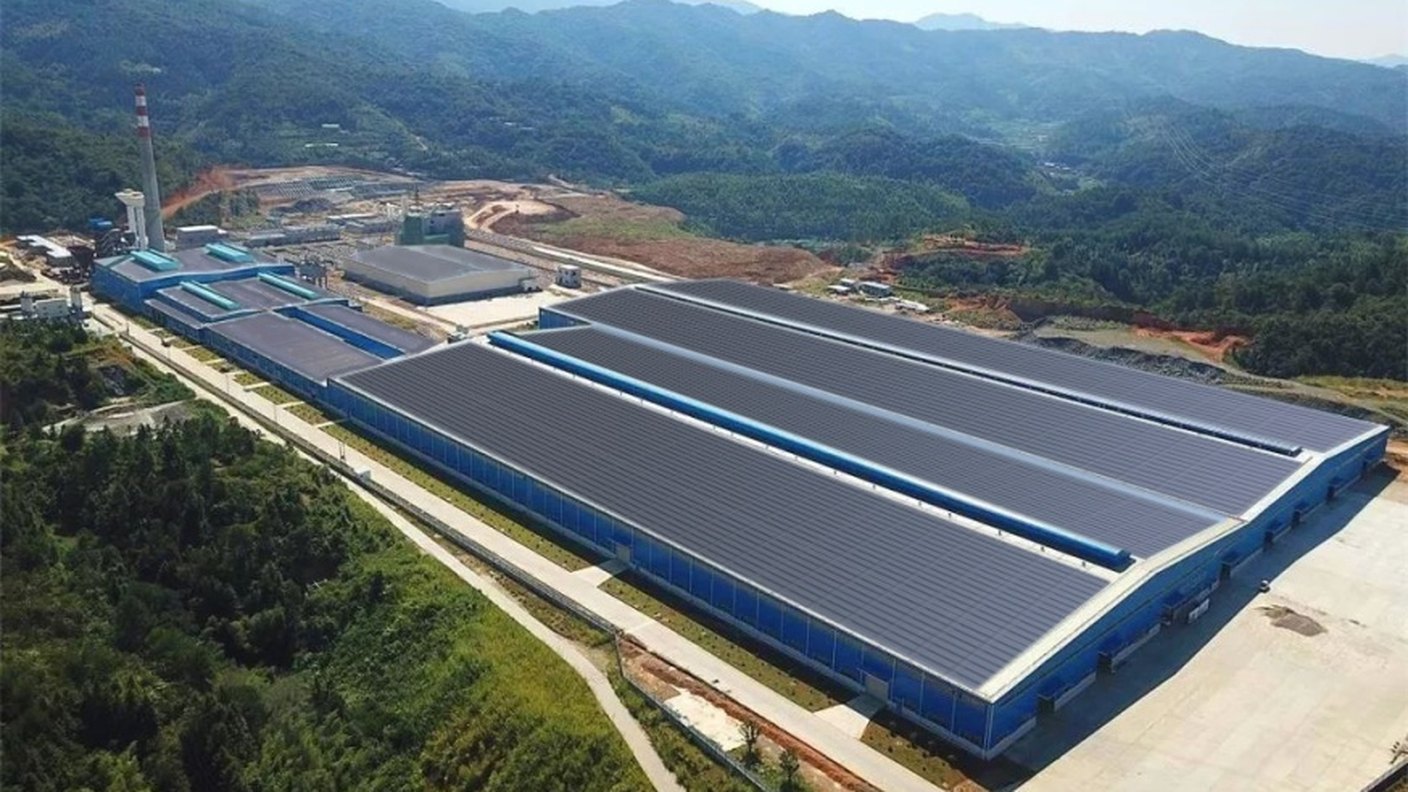
- Factory and warehouse roofs at scale — the same tile, more of it
Read these before you send the drawings.
Tell us about your roof.
Send the roof area and pitch, or just the address, and we will size the array and quote it. Site inspection is free.