Sizing a solar system: what your bill actually tells you
Most sizing conversations start with panel count. They should start with when you use power, because that single fact decides whether you need a large array, a large battery, or neither.
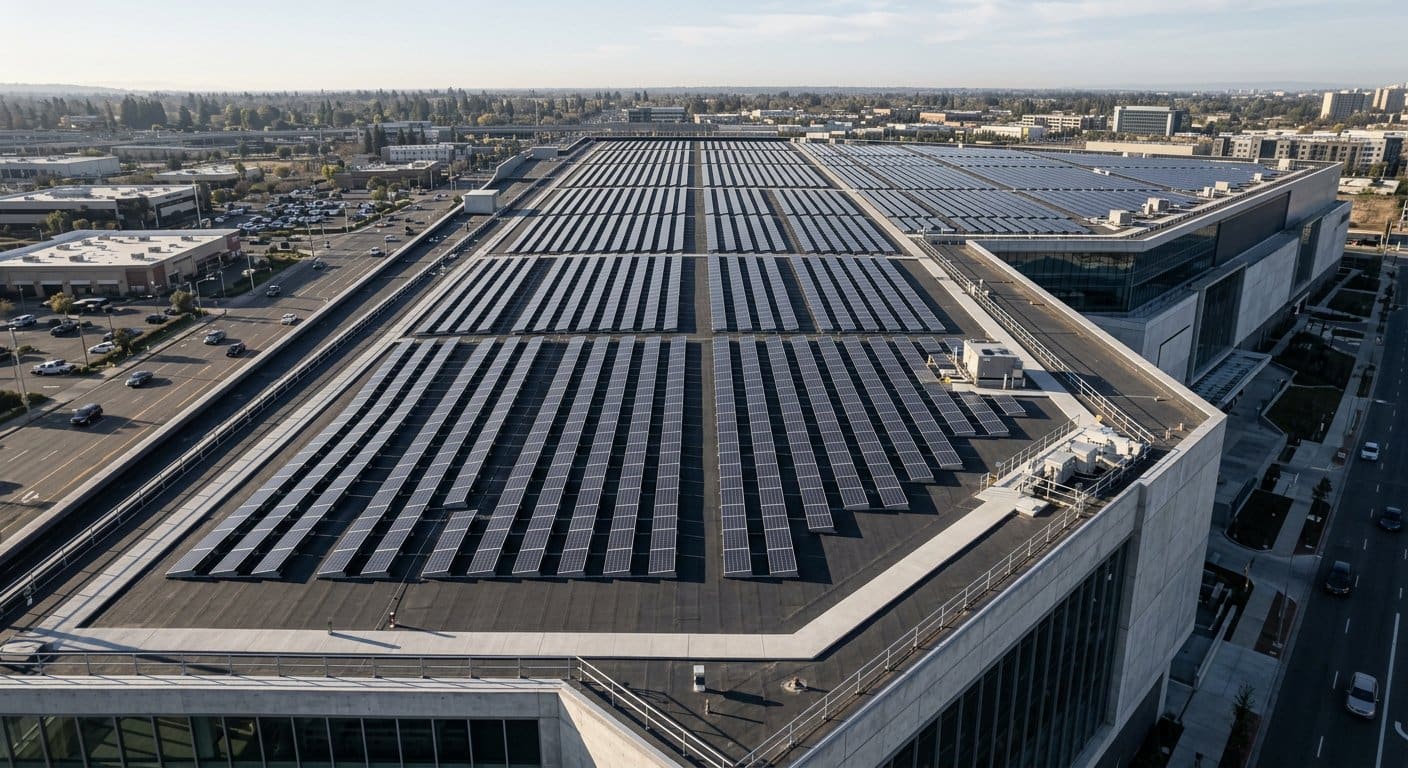
The most common request we receive is for a system described in kilowatts — "quote me a 10 kW system". It is a reasonable shorthand, but it specifies the least important number first. Two properties with identical monthly consumption can need completely different systems, because what matters is not how much you use but when.
Start with the shape of your day
Solar generation is fixed to daylight. In Ghana that means useful output from roughly 07:00, a broad peak between 11:00 and 15:00, and a tail to around 18:00. Anything you consume inside that window can be served directly by the array. Anything outside it must come from a battery or the grid.
So the first question is what fraction of your consumption is daytime. An office, a shop, a workshop or a school is largely a daytime load — the array does the work and the battery only covers outages. A household where everyone leaves at 07:00 and returns at 18:00 is the opposite: generation peaks precisely when nobody is home, so without storage most of it is exported or wasted.
This is why the same 10 kW array is generous for one building and nearly pointless for another.
Reading the bill properly
Your ECG bill gives monthly kWh. Divide by 30 for a daily average, but do not stop there — take twelve months, not one. Consumption in most Ghanaian buildings swings substantially with air-conditioning load, and sizing from a single cool-season bill will undersize the system for March.
Then separate the load into three parts:
- Base load — refrigeration, routers, standby, security. Runs 24 hours and sets your minimum battery requirement.
- Daytime load — air-conditioning, office equipment, pumps, machinery. This is what the array should be sized to cover.
- Evening load — lighting, television, cooking, evening air-conditioning. This is what the battery is actually for.
A system sized against total consumption without this split is a guess. A system sized against the split is an engineering decision.
Why the array is rarely the expensive part
Panels have become the cheapest component per unit of capacity. Batteries have not. This inverts the intuition most clients arrive with: adding 2 kW of panels is a modest increase, while adding a second battery is a significant one.
The practical consequence is that oversizing the array slightly and undersizing the battery to genuine need is usually better value than the reverse. An oversized array simply produces more on cloudy days, which is exactly when you want it. An oversized battery spends most of its life partly charged, ageing without earning.
Hybrid inverters and what "backup" means
A hybrid inverter manages array, battery and grid together, and it is what makes a system useful during an outage. Worth being precise about the terms here, because they are routinely conflated:
- Grid-tied — offsets your bill, and shuts down during an outage. It cannot legally or safely energise your building when the grid is down.
- Hybrid with backup — runs selected circuits from battery during an outage. Those circuits are chosen at installation and wired to a separate backup board.
- Off-grid — no grid connection at all. Rare and expensive for buildings that have a connection available.
For most clients the honest answer is a hybrid system with a carefully chosen backup board. You do not need the whole building on backup. You need lighting, refrigeration, network, and perhaps one air-conditioner in one room. Deciding this properly at design stage is what keeps the battery specification — and the cost — sensible.
Roof reality
The roof usually constrains the design more than the budget does. Orientation matters less near the equator than most people expect — Ghana's latitude means a shallow tilt in almost any direction performs acceptably — but shading matters enormously. A single water tank, parapet or neighbouring wall shading one panel in a string can pull down the whole string on a conventional inverter.
Roof condition is the other constraint. A solar array has a service life measured in decades and it will sit on top of your roof covering. If the roof needs replacing within five years, replace it first. Removing and refitting an array is a real cost and an avoidable one.
How to think about solar cost against current ECG tariffs
Payback is not a property of a panel. It is a property of your tariff band, your daytime load, and a PURC schedule that changes. Here is how to use the published April 2026 rates without treating a round number as a guarantee.
Sizing battery storage for real outages
Two numbers decide whether a battery system meets your expectations, and most quotations only make one of them obvious. Confusing kilowatts with kilowatt-hours is the commonest reason a correctly built installation still disappoints.
Why solar output falls, and what actually restores it
Production rarely collapses. It drifts down slowly enough that nobody notices until a bill looks wrong, and by then the cause is months old. Three things account for most of the loss, and only one of them is dirt.
Planning something along these lines?
Send drawings, a room schedule, or photographs of the space. We will tell you what it needs and what it costs.
Get a consultation