The hidden trap of “cheap” solar: why low-quality panels destroy your ECG bill savings
Cheap solar is the fastest way to lose the savings it was bought for. Heat, grid spikes, battery chemistry and a warranty that never travels decide whether the system pays for itself.

Electricity tariffs keep climbing, and more Ghanaian homeowners and businesses are turning to solar to cut the monthly ECG bill. The arithmetic looks simple: install panels, generate your own power, watch the bill fall.
The trap is not in the arithmetic. It is in the equipment. Buyers chasing the fastest possible payback tend to buy the cheapest panels and inverters on the market — and the system that was supposed to pay for itself becomes the reason the savings never arrive. Here is where the money actually goes.
Heat is where cheap panels lose their output
Panels are rated at 25°C. On a sunny Accra afternoon the cells on a roof sit well above 50°C, and every degree above 25 costs output. Cheap, Tier-3 panels have a high temperature coefficient, so a 500 W panel might produce only 350 W in Ghana’s heat. Tier-1 N-type modules — the 630 W JA Solar modules we supply — are engineered to hold their output far better in the same heat. That difference is invisible: nobody notices a panel producing less, they notice the ECG bill not falling the way they were promised.
It compounds. A system that loses a fifth of its output every afternoon for the life of the array never delivers the payback it was sold on, and the owner usually blames the idea of solar rather than the specification.
Grid instability kills cheap inverters
ECG supply in Ghana is not a clean sine wave. Voltage swings, spikes and brownouts are routine. The inverter is the component that sits between the panels, the battery and that supply, and it absorbs everything the grid throws at it.
Cheap inverters are built for a stable grid in a laboratory. Their surge protection is thin and their grid-tolerance window is narrow, so a spike that a premium unit rides through can take out the control board. Then the whole system — panels, battery, wiring — sits idle until a replacement arrives, which is usually weeks away and rarely covered.
A hybrid inverter like the Deye units we install is specified for exactly this environment: wide voltage tolerance, real surge protection, and the ability to run the house load from solar and battery while the grid does whatever it is doing.

The lithium battery illusion
Cheap packages advertise lithium and deliver cells that were never meant for daily cycling: Grade B stock, repurposed cells, or lead-acid dressed up as modern storage. Three numbers separate the two.
- Cycle life — a cheap pack might give you 1,000 cycles before its capacity drops to 50%, so you are replacing it in two to three years. Tier-1 LiFePO4 packs, like the LONGKee packs we supply, offer 6,000 to 8,000 cycles and last 10 to 15 years.
- Depth of discharge — cheap packs quote nameplate capacity, then refuse to give it up. Usable capacity is what actually runs the house at night, and it is the only figure worth comparing.
- Replacement — a pack replaced every three years wipes out every cedi the panels saved in the same period.
The warranty that does not travel
When a cheap panel delaminates or an inverter fails, the seller is often gone. What is left is a warranty that exists only on a screen, or one that requires shipping heavy equipment back to a factory at your own cost.
Tier-1 equipment comes with enforceable warranties. At Techengy Solutions we bind the manufacturer’s performance warranties directly into our contracts, so your investment is protected for 20+ years — and there is a local company to hold to them. We hand the documentation over at commissioning and stand behind the workmanship of the installation itself.
Before you sign anything, anywhere, ask what happens in year four.
The bottom line
Solar is an investment, not a toy. The question is not what a system costs today — it is whether it still generates in twenty years. A good system can cost 20–30% more up front and deliver every cedi of the saving it promised. A cheap one drains the wallet twice: once at purchase, and again at replacement.
If you want a number rather than a sales pitch, start with your actual bill.
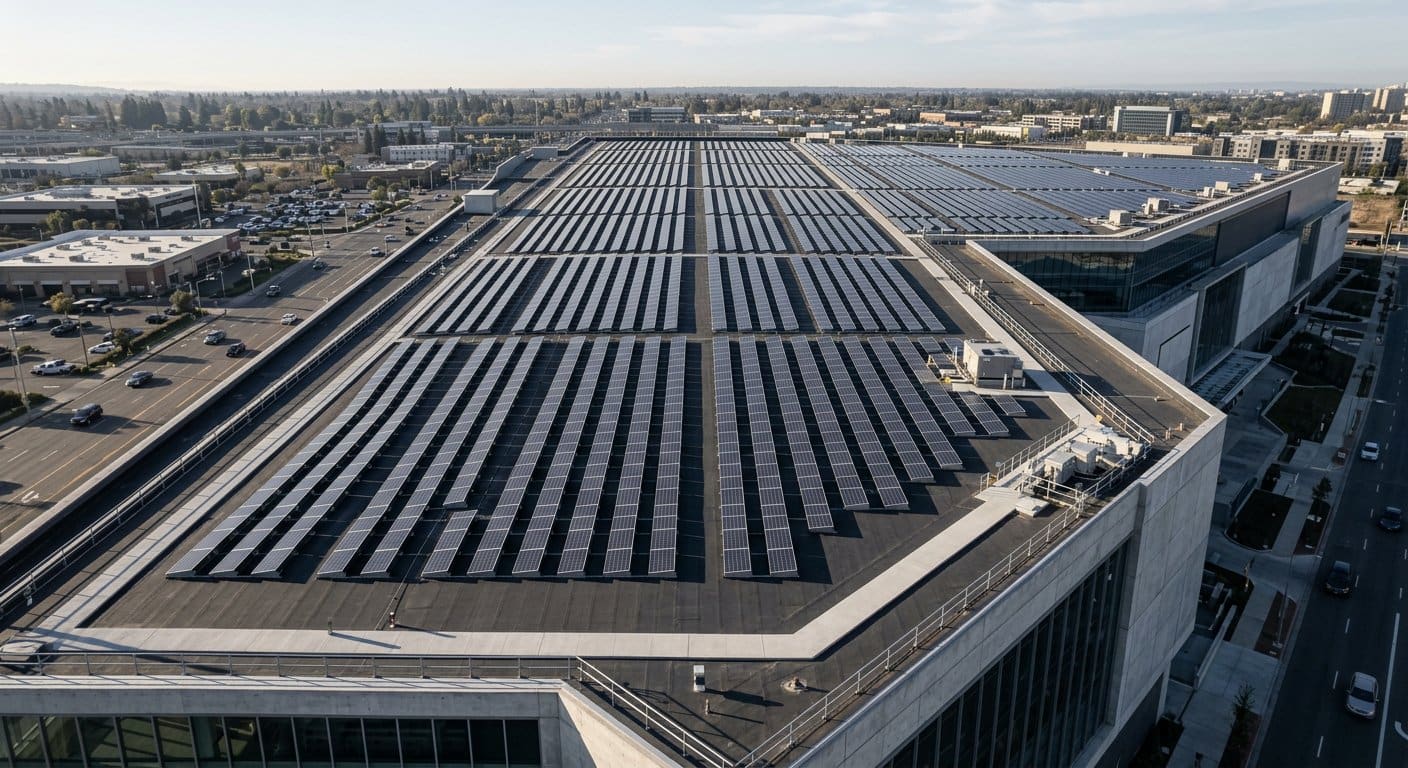
How to think about solar cost against current ECG tariffs
Payback is not a property of a panel. It is a property of your tariff band, your daytime load, and a PURC schedule that changes. Here is how to use the published April 2026 rates without treating a round number as a guarantee.
Sizing battery storage for real outages
Two numbers decide whether a battery system meets your expectations, and most quotations only make one of them obvious. Confusing kilowatts with kilowatt-hours is the commonest reason a correctly built installation still disappoints.
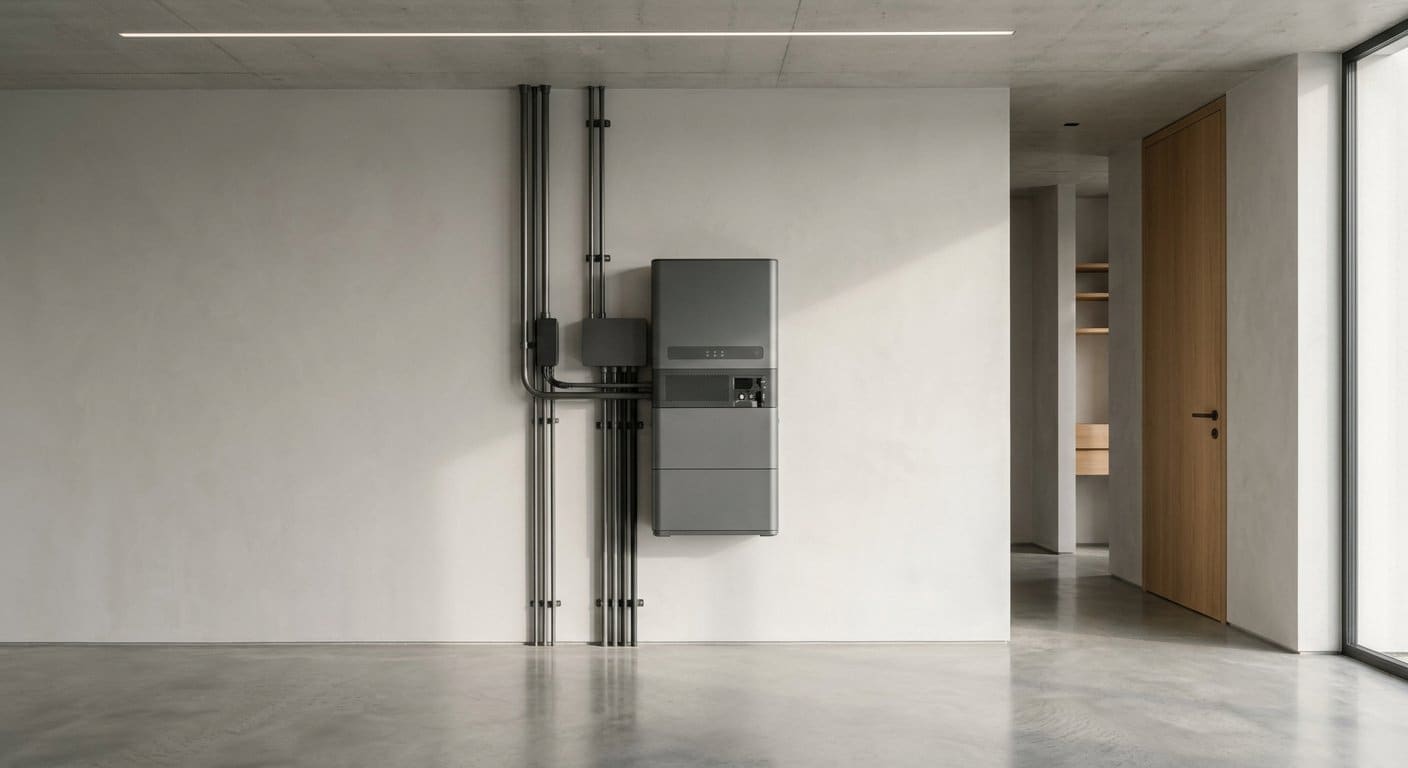
Why solar output falls, and what actually restores it
Production rarely collapses. It drifts down slowly enough that nobody notices until a bill looks wrong, and by then the cause is months old. Three things account for most of the loss, and only one of them is dirt.
Calculate how much you can save on your ECG bill today.
Start with the bill you already have. The estimator sizes the system from your consumption and returns one estimated cost in cedis — no site visit and no sales call, and a formal quotation follows if you want one.
Open the solar calculatorGet a free, no-obligation solar estimate in 60 seconds. Click here to use our calculator.