Choosing finishes for Accra humidity and harmattan dust
Ghanaian interiors fail in two seasons for two different reasons: moisture that never quite leaves, and dust that arrives all at once. The finish that looks right on a sample board is not always the one that still looks right in March.
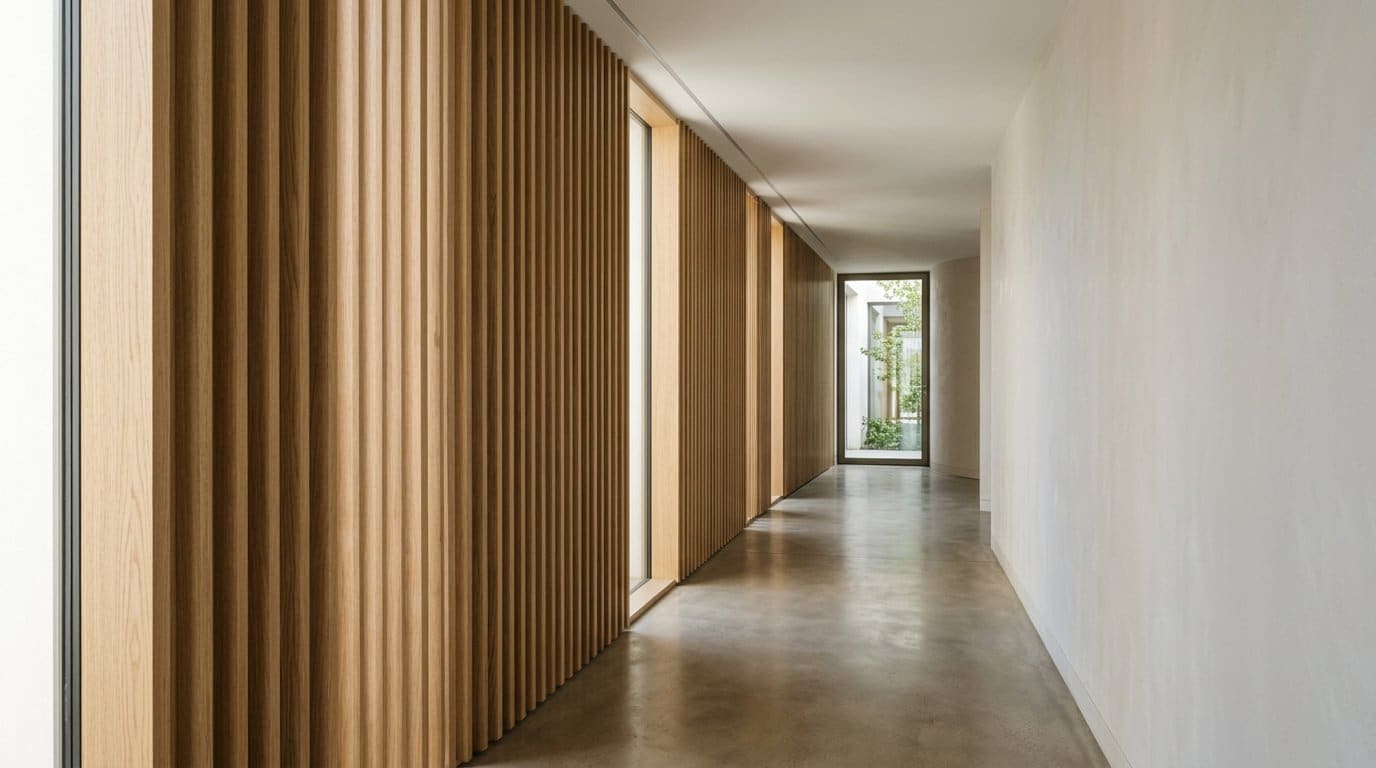
Most finishing materials we supply were designed in climates that are either cold and dry or air-conditioned all year. Accra is neither. The two conditions that actually decide whether a finish lasts here are year-round humidity, and the harmattan — a few weeks of fine dust that behaves unlike ordinary dirt.
Humidity is a substrate problem wearing a finish as a disguise
Moisture in a wall or a slab does not stay there. It moves toward the room, and it will find a joint, a paint film or an impermeable covering to push against. A finish that seals the face without dealing with the moisture behind it fails at the edges first: peeling paint, cupped wood, lifted vinyl, mould at skirting level.
This is why the sequence matters more than the brand. A new screed or a block wall that has not dried will wreck a good floor or a good panel. In wet rooms the membrane has to be continuous before the finish goes on — that argument is in the waterproofing article, and it is the same argument here.
What to specify on walls
- Bathrooms, kitchens, laundry, washdown corridors: SPC or porcelain. They do not swell. WPC is the wrong choice for a surface that will be standing wet or steam-cleaned.
- Bedrooms, living rooms, hotel rooms: WPC or a well-detailed paint. Comfort and acoustics matter more than washdown resistance, and WPC tolerates a slightly uneven substrate better than SPC.
- External and semi-external walls: a system, not a sample. Flexible stone, porcelain cladding or a rainscreen has to be detailed for the elevation. A living-room panel taken outdoors is not an exterior specification.
- Air-conditioned rooms with cold walls: watch condensation. A cold plastered wall in a humid room grows mould behind furniture. Insulation, a ventilated cavity, or a finish that can be wiped down all beat another coat of ordinary emulsion.
Floors, wood and the room they live in
Engineered wood belongs in Accra in a way solid timber often does not, because the plywood core is more stable. It still has to acclimatise in the room it will live in, with the air-conditioning running the way it will run in use. A pallet opened and laid the morning it arrives is the reliable way to grow gaps.
Luxury vinyl plank is comfortable and indifferent to water from above. Its weakness here is heat. Direct sun through an unshaded window will move a floating floor. Glue-down installation and actual shading — not only an expansion gap — are what keep it still.
Porcelain remains the default for wet rooms, entrances and anywhere grit comes in from outside. Grit, not footsteps, is what abrades a floor, and harmattan grit is particularly fine.
What harmattan actually does to a building
Harmattan dust is not the same as building dust. It is fine, dry and persistent, and it arrives for weeks. It does three things finishes have to live with:
- It films on horizontal surfaces and on the lower edge of anything that sheds water — window cills, panel joints, solar frames. Rain afterwards leaves a band of mud where the dust collected.
- It gets into moving parts: locks, sliding doors, AC filters, motorised blinds. A specification that assumes a sealed European interior will gum up here.
- It makes pale, high-gloss surfaces look dirty faster than matte or mid-tone ones. That is not a material failure. It is a cleaning and colour decision, and it should be made on purpose.
Joints, filters and the things that move
A beautiful flush joint is a liability if it cannot be wiped. Open-joint or expressed-joint systems collect dust in a line you can see from across the room. In harmattan months that line arrives whether you like the detail or not.
Anything with a filter — split AC, a fresh-air unit, a mechanical ventilator — needs a maintenance route that a household will actually follow. A ceiling void that can only be reached with a specialist is where filters go to die.
Sliding doors, closet tracks and motorised curtains should be specified with the dust in mind: fewer unsealed tracks, serviceable motors, and a physical override so a seized motor does not trap a room.
A short specification order for this climate
- Dry the substrate, or design for the moisture that will remain. Do not trap it behind an impermeable finish.
- Put waterproofing and wet-room logic in before the visible finish. The finish cannot rescue a missing upstand.
- Choose wall cores by room: SPC where it will be washed, WPC where people live, exterior systems outdoors.
- Assume harmattan grit at every entrance and on every moving part. Specify cleaning and service access, not only the sample.
- Acclimatise timber in the conditioned room. Shade floors that see afternoon sun.
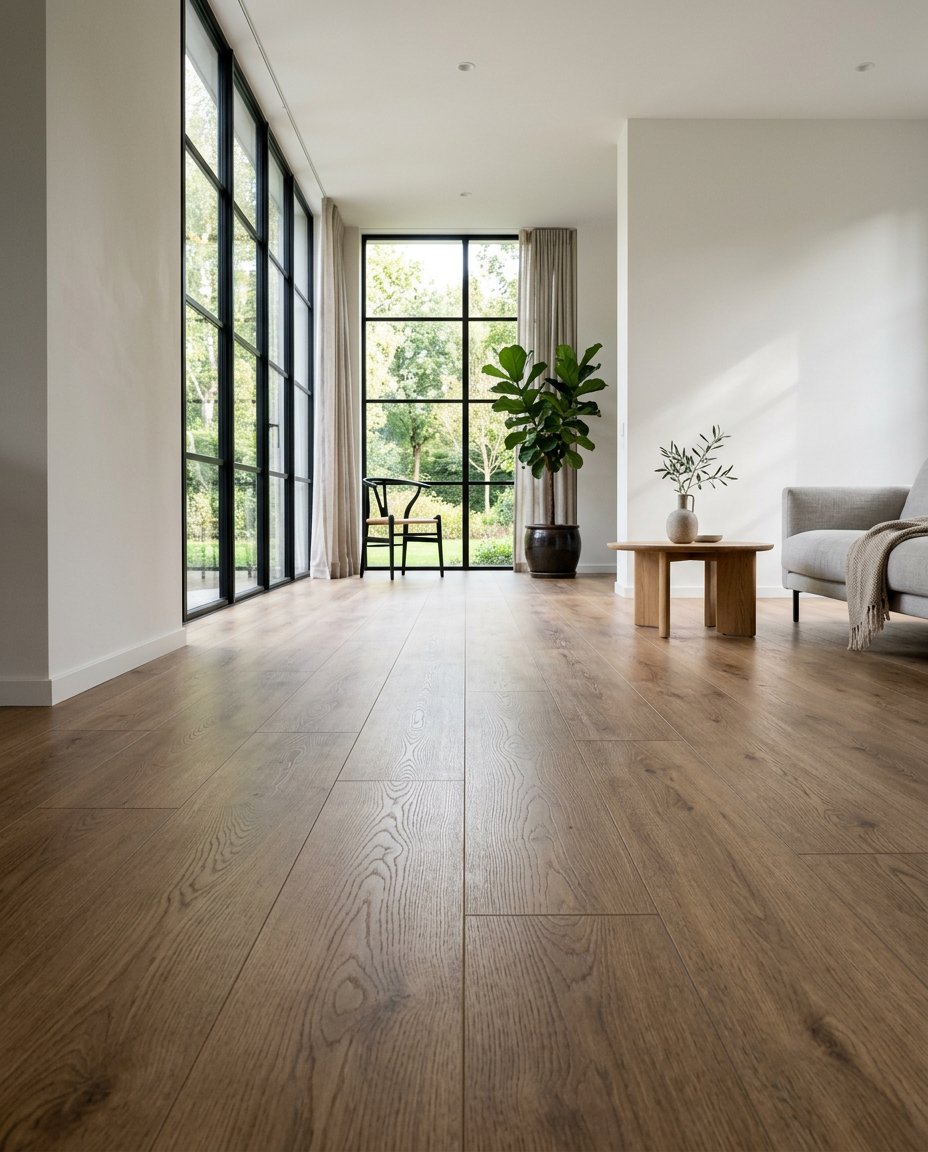
How to Choose Building Materials for a Luxury Home in Ghana
Twelve decisions that separate a luxury home that lasts from one that only photographs well — flooring, walls, kitchens, bathrooms, exteriors, and the installation quality behind them all.
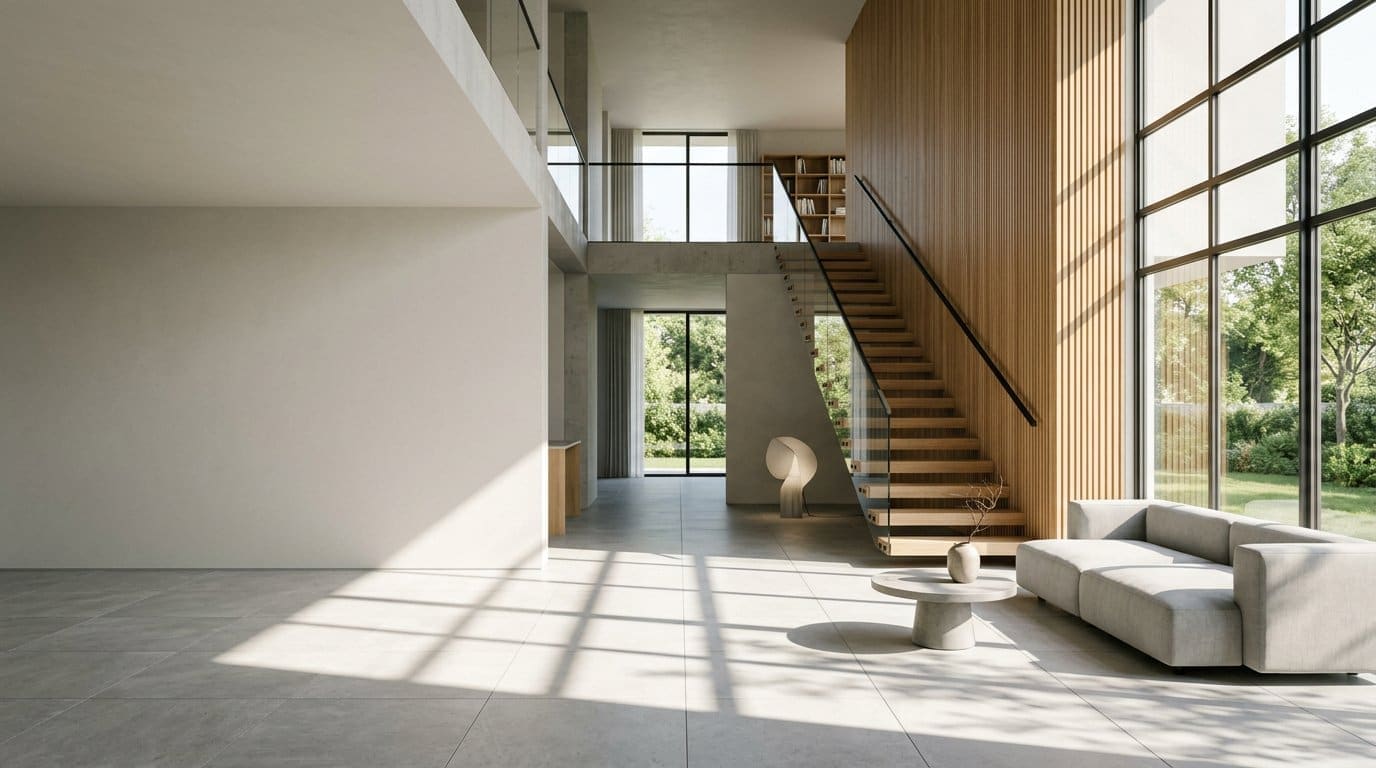
What “supply and install” actually includes
The phrase is used as if everyone already agrees what it covers. They do not. The surprises are almost never the materials — they are access, making-good, storage, waste, and who owns the substrate when something is not square.
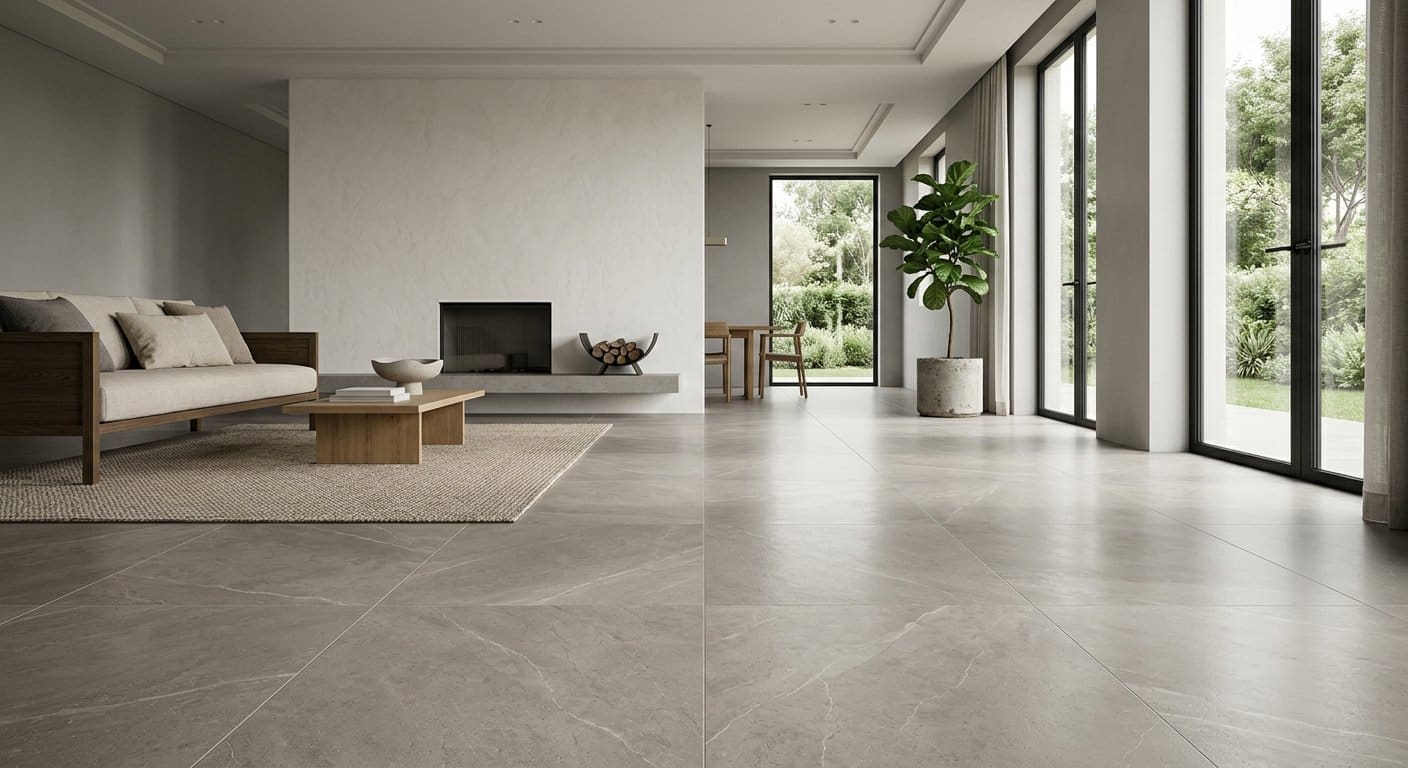
Porcelain, LVP or engineered wood: choosing a floor that lasts
A floor is chosen from a sample held in the hand and judged years later underfoot. The properties that decide how it ages — substrate, moisture and traffic — are the ones a sample cannot show you.
Planning something along these lines?
Send drawings, a room schedule, or photographs of the space. We will tell you what it needs and what it costs.
Get a consultationGet a free, no-obligation solar estimate in 60 seconds. Click here to use our calculator.