How to Choose Building Materials for a Luxury Home in Ghana
Twelve decisions that separate a luxury home that lasts from one that only photographs well — flooring, walls, kitchens, bathrooms, exteriors, and the installation quality behind them all.
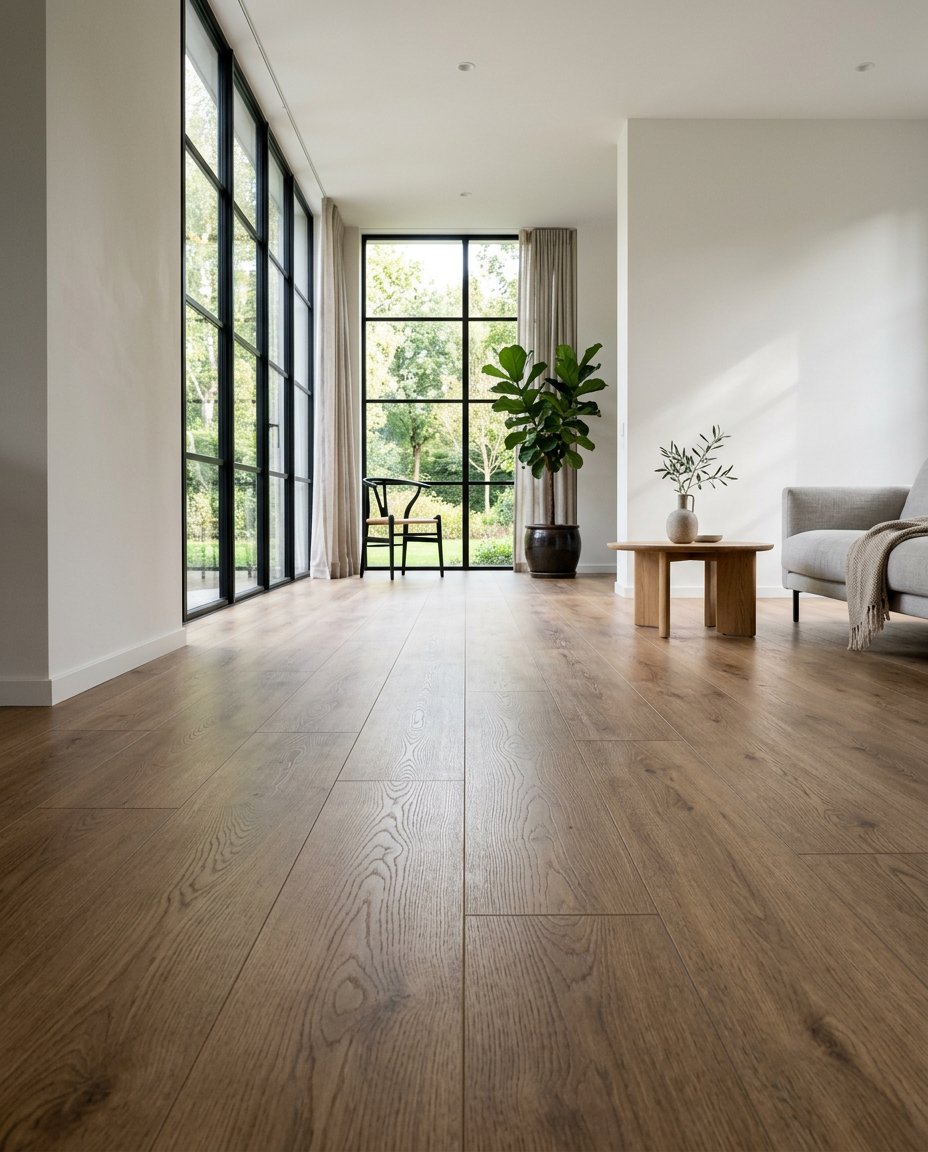
One of the most important decisions you will make when building, buying, or renovating a luxury home in Ghana is choosing the right building materials. The materials you choose affect the comfort, beauty, durability, and long-term value of your home.
True luxury is more than how a space looks in pictures or at first viewing. It is about quality, durability, comfort, and how a home continues to perform over many years. High-quality materials create homes that stay beautiful, feel comfortable, and need fewer repairs.
But with so many materials on the market, both locally and from international suppliers, how do you know which ones are right for your project? Poor choices can lead to fading finishes, water damage, high maintenance costs, and surfaces that need replacing far too soon.
Here is a practical guide to help you select materials that combine beauty, performance, and durability for a luxury home in Ghana.
1. Understand what luxury means in building materials
Luxury is not simply about appearance or price. When choosing materials, luxury means superior performance, long-lasting durability, refined appearance, and comfort.
- Superior performance — materials that work exactly as they should, every day.
- Long-lasting durability — finishes that do not wear out, fade, or fail quickly.
- Refined appearance and feel — materials that look and feel premium to the touch.
- Comfort — homes that feel cool, quiet, and pleasant to live in.
2. Consider Ghana’s climate before anything else
Ghana’s tropical climate, with high temperatures, humidity, and seasonal rainfall, must shape every material decision. Materials that perform well in cooler, drier countries can fail quickly here.
Moisture is the biggest threat. High humidity, heavy rain, and condensation can damage timber, fabrics, and weak finishes. Always choose moisture-resistant options, especially for bathrooms, kitchens, basements, and exterior areas.
- UV resistance — strong sunlight fades and weakens many surfaces; exterior finishes must be UV-stable.
- Heat performance — flooring, roofing, and wall finishes should help keep rooms comfortable.
- Corrosion resistance — metal fixtures, railings, and fittings must resist rust and corrosion.
- Mould and pest resistance — warm, humid conditions suit mould and termites; specify accordingly.
3. Choose flooring that balances beauty and strength
Flooring covers the largest surface in your home, so it has the biggest effect on both appearance and comfort. Luxury flooring should be beautiful, strong, and suitable for daily use.
- Match the floor to the room — porcelain and natural stone suit living areas, kitchens, and bathrooms; quality timber and laminates suit bedrooms.
- Think about traffic — homes with children, pets, or frequent guests need harder-wearing surfaces.
- Feel matters — the floor should feel comfortable and stay cool underfoot in Ghana’s heat.
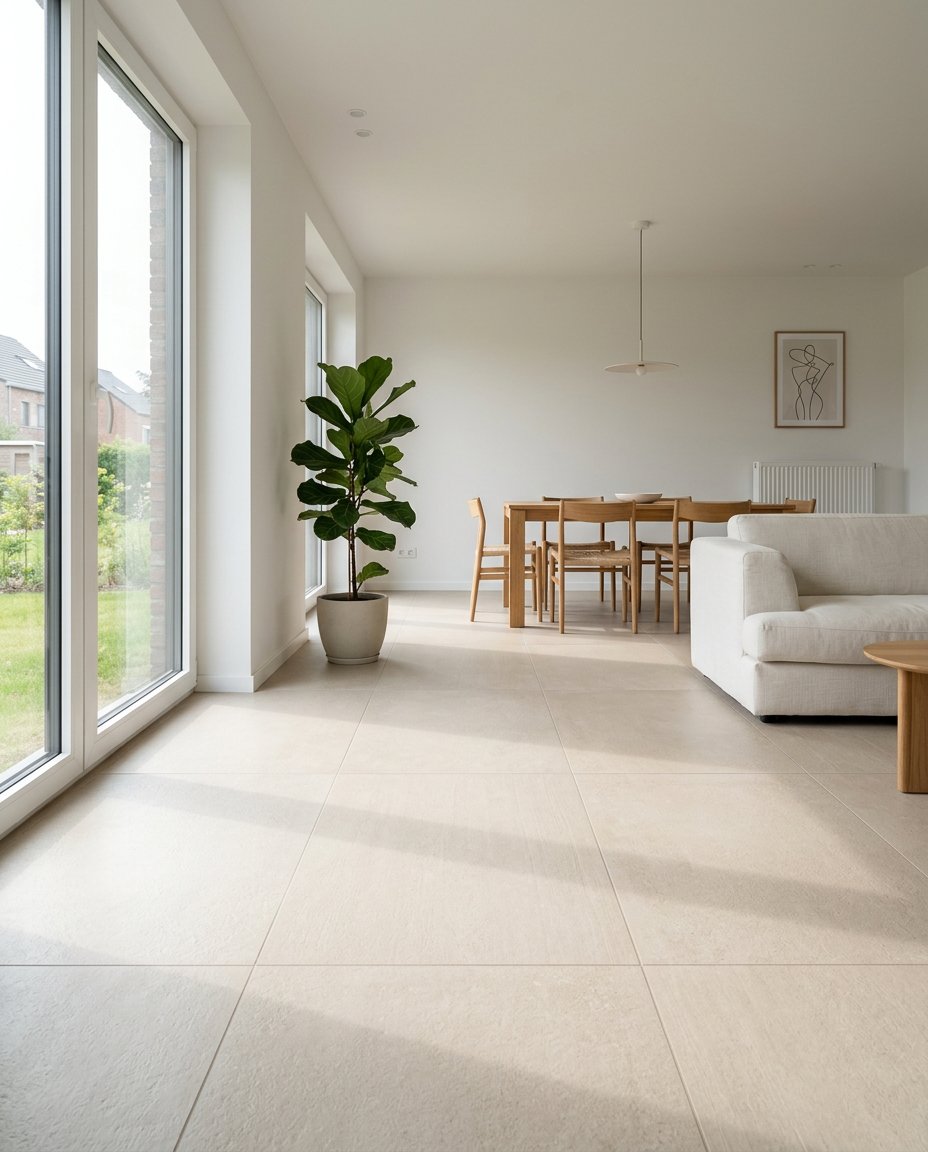
Always ask how a floor handles moisture, scratches, and stains before you fall in love with the pattern.
4. Select wall finishes that add character
Walls define the mood of every room. Luxury wall finishes should add warmth, texture, and character — without overwhelming the space.
- Use feature walls with care — stone, textured panels, or quality wallpaper on one wall; keep the rest calm.
- Neutral colours — beige, grey, off-white, and warm earth tones stay elegant and make rooms feel larger.
- Quality paint — premium washable paints resist stains, moisture, and fading far better than standard paint.

Avoid weak paints and thin wallpapers in high-traffic areas; they show wear within months, not years.
5. Invest in a kitchen designed for real cooking
The kitchen is one of the most used rooms in any home, and daily cooking with heat, oil, and moisture puts finishes to a serious test.
- Worktops — granite, quartz, and solid surfaces resist heat, stains, and scratches.
- Cabinetry — quality plywood or marine-grade boards with good hinges and handles last far longer than chipboard.
- Wall and floor tiles — ceramic and porcelain tiles are easy to clean and resist moisture.
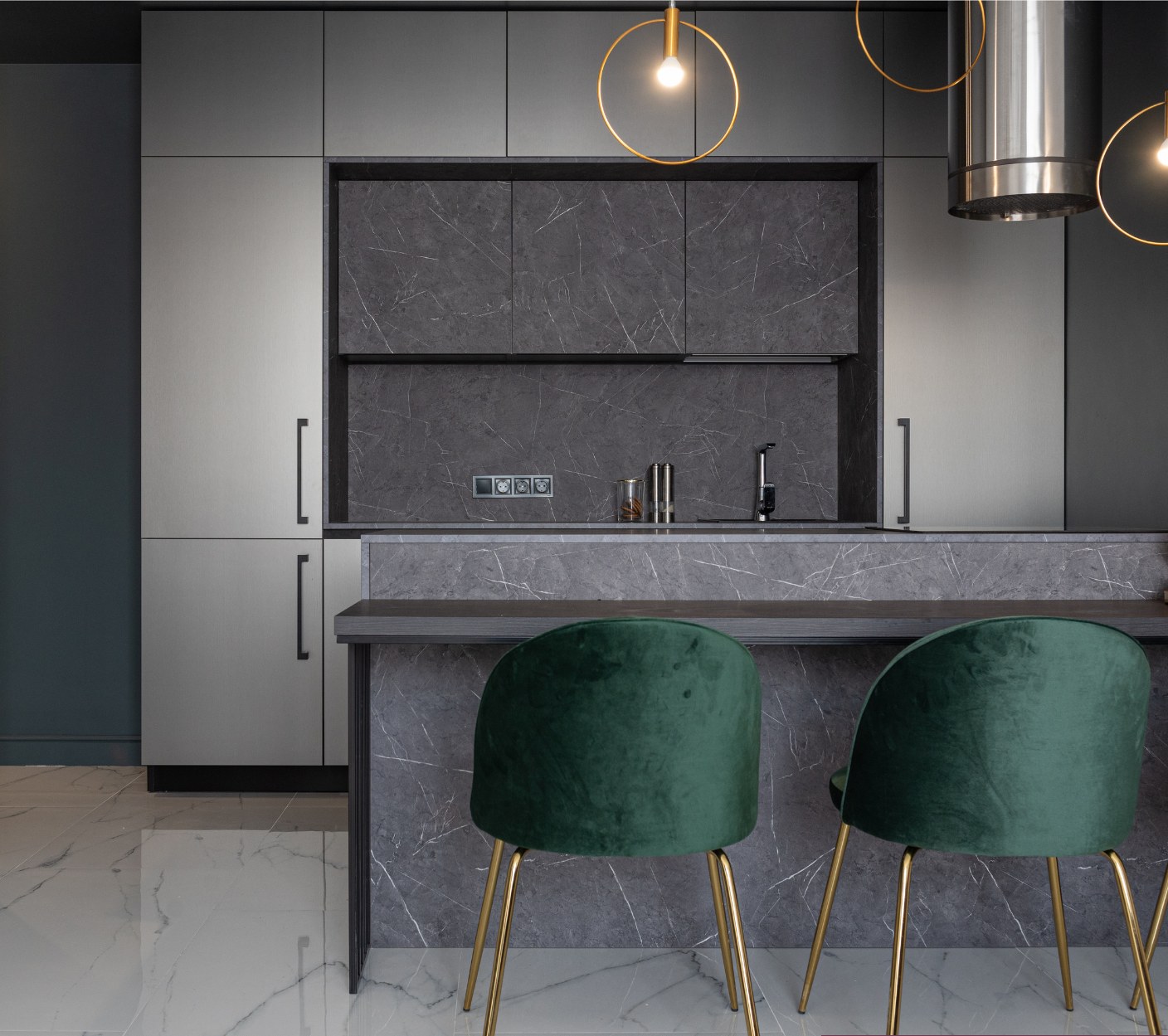
A luxury kitchen is easy to clean, comfortable to work in, and made of finishes that still look good after years of daily use.
6. Choose bathroom materials that handle water
Bathrooms face constant water, humidity, and cleaning chemicals, so every surface must be chosen for wet conditions.
- Tiles — porcelain and ceramic wall and floor tiles with quality grout and sealant resist water and stains.
- Sanitaryware — wall-hung water closets, quality basins, and durable taps combine comfort with easy cleaning.
- Fixtures — choose corrosion-resistant taps, showers, and accessories that suit hard or treated water.

Most important of all: proper waterproofing of floors and wet walls before a single tile is laid. The finest tiles in the world cannot save a bathroom that leaks underneath.
7. Do not forget the exterior
The outside of your home faces sun, rain, dust, and pollution every day. Exterior finishes must be tough enough to protect the building while keeping it beautiful.
- Facade finishes — quality exterior paint, stone cladding, or textured coatings that resist fading and cracking.
- Doors and windows — aluminium and quality uPVC frames with good glazing improve security, insulation, and comfort.
- Outdoor floors and walls — paving, boundary walls, and external tiles must handle rain and heat without constant repair.

A luxury home should look as good from the street in year ten as it did on handover day.
8. Check quality and authenticity
High prices do not always mean high quality, and the market has many imitations of premium finishes. Before committing to any material, verify what you are actually getting.
- Ask for samples — see and touch the real finish, not a catalogue photograph.
- Check specifications — thickness, grade, water absorption, warranty, and country of origin.
- Request documentation — genuine materials come with data sheets and manufacturer warranties.
- Compare like with like — a thinner tile or a lower grade can look identical on day one and fail by year three.
Work with a supplier who understands luxury finishes and can advise honestly on what suits your project — not one who simply sells what is in stock.
9. Plan for maintenance from the start
Every material needs some care. The question is how much care, how often, and at what cost — over the life of the home, not just the first year.
- Cleaning — how is it cleaned, and with what? Some stones and timbers need special cleaners.
- Maintenance — does it need sealing, polishing, or repainting, and how often?
- Repairs and spares — are matching tiles, boards, or fittings still available in a few years if something breaks?
Materials that are difficult to maintain will cost you more in the long run — and a tired finish drags down the whole house.
10. Hire experienced professionals
Even the best materials can fail when installation is poor. Luxury finishes demand skilled hands: correct surface preparation, the right adhesives and fixings, straight lines, and neat detailing.
- Use tilers, carpenters, painters, and plumbers who have done this level of finish before.
- Insist on proper preparation — screeds, levelling, waterproofing, and priming are invisible and essential.
- Supervise the details — trims, grout lines, silicone joints, and caulking are where luxury shows or fails.
11. Do not choose materials based on price alone
Price matters, but it is only one part of the decision. The cheapest option usually costs more in maintenance and early replacement — and the most expensive option is not automatically the best for your home.
Think of value like this: performance + appearance + suitability + durability + installation + maintenance + lifecycle cost.
Consider the whole life of the material, not just the purchase price: a floor that lasts twenty years with light care is cheaper than one replaced twice in the same period.
Finally, think about your home as one project. Sourcing items separately from many places often produces clashing finishes and no single point of responsibility when something goes wrong.
12. A practical material checklist
Use these questions for every room and every finish before you approve anything:
Design
- Does it suit the design of the home?
- Does it match the finishes in neighbouring rooms?
- Will it still look good in ten years?
Performance
- Is it strong enough for how the room is used?
- How does it handle moisture, heat, and staining?
- Is it safe (slip resistance, fire rating) where it matters?
Suitability
- Is it made for this climate and this room?
- Is it the right grade and thickness for the job?
Aesthetics and comfort
- Does it look and feel premium in person, not just in pictures?
- Does it keep the room cool, quiet, and comfortable?
Durability and maintenance
- How long will it last with normal use?
- What cleaning and maintenance does it need?
- Can it be repaired, and are spares available?
Installation
- Who installs it, and have they done this finish before?
- What preparation does the surface need?
Budget
- What is the whole-life cost, not just the purchase price?
- Does spending here improve the home’s comfort or value?
Final thoughts
Choosing building materials for a luxury home in Ghana is about finding the right balance between beauty, performance, durability, and cost. Quality materials, chosen for the climate and installed by skilled professionals, will give you a home that remains comfortable, beautiful, and valuable for many years.
Take your time, ask questions, compare options carefully, and work with people you trust. The decisions you make now will shape how your home looks, feels, and performs for decades.
Techengy supplies and installs premium building materials, smart home systems, and solar energy solutions for luxury homes across Ghana — one company responsible for quality from specification to finishing. Reach out for a free personal consultation.
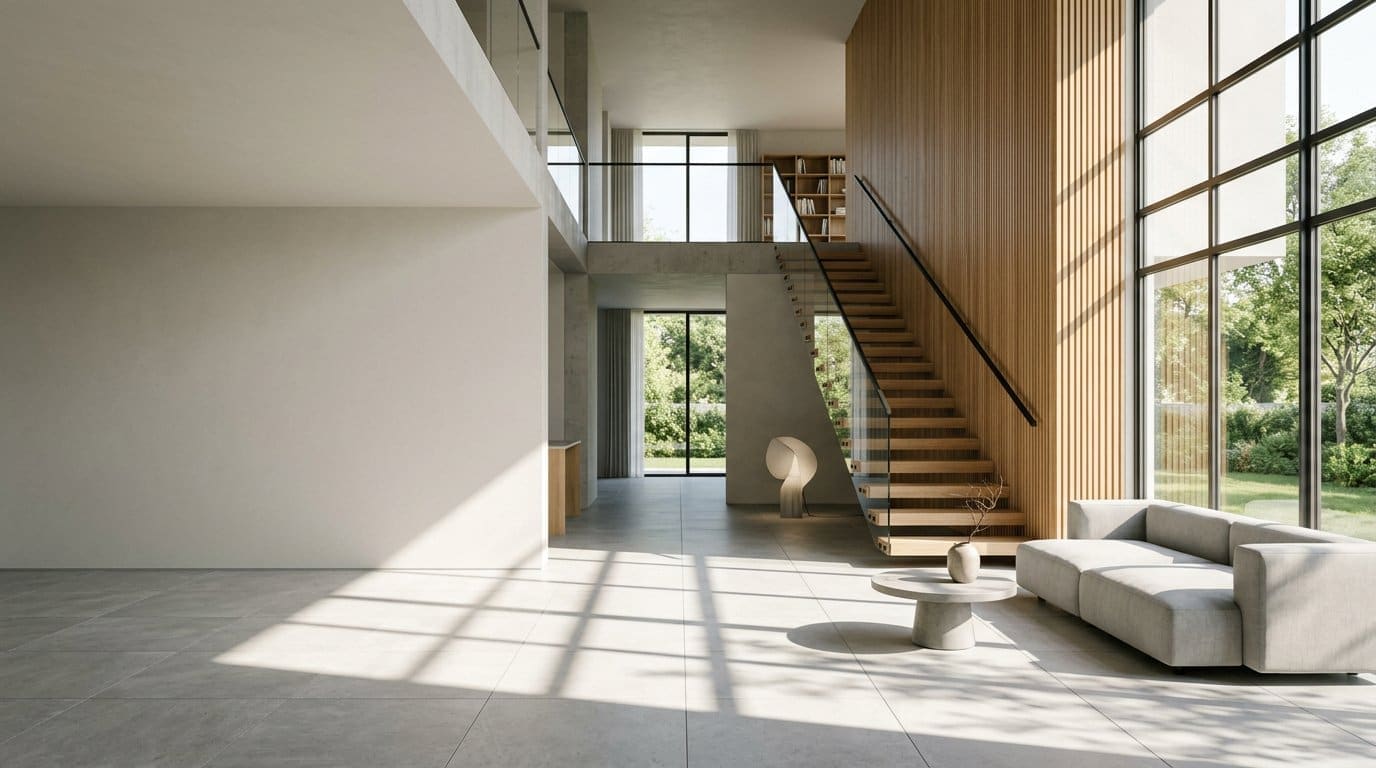
What “supply and install” actually includes
The phrase is used as if everyone already agrees what it covers. They do not. The surprises are almost never the materials — they are access, making-good, storage, waste, and who owns the substrate when something is not square.
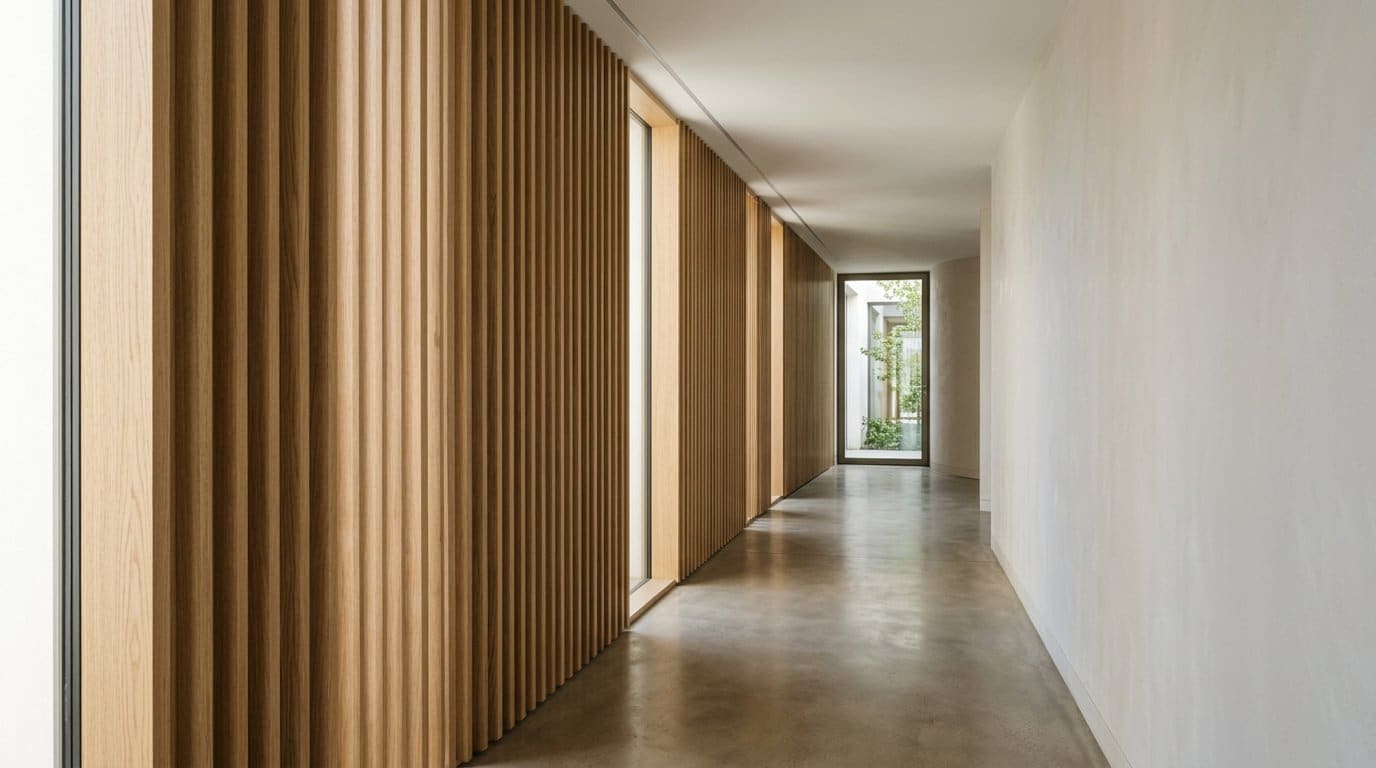
Choosing finishes for Accra humidity and harmattan dust
Ghanaian interiors fail in two seasons for two different reasons: moisture that never quite leaves, and dust that arrives all at once. The finish that looks right on a sample board is not always the one that still looks right in March.
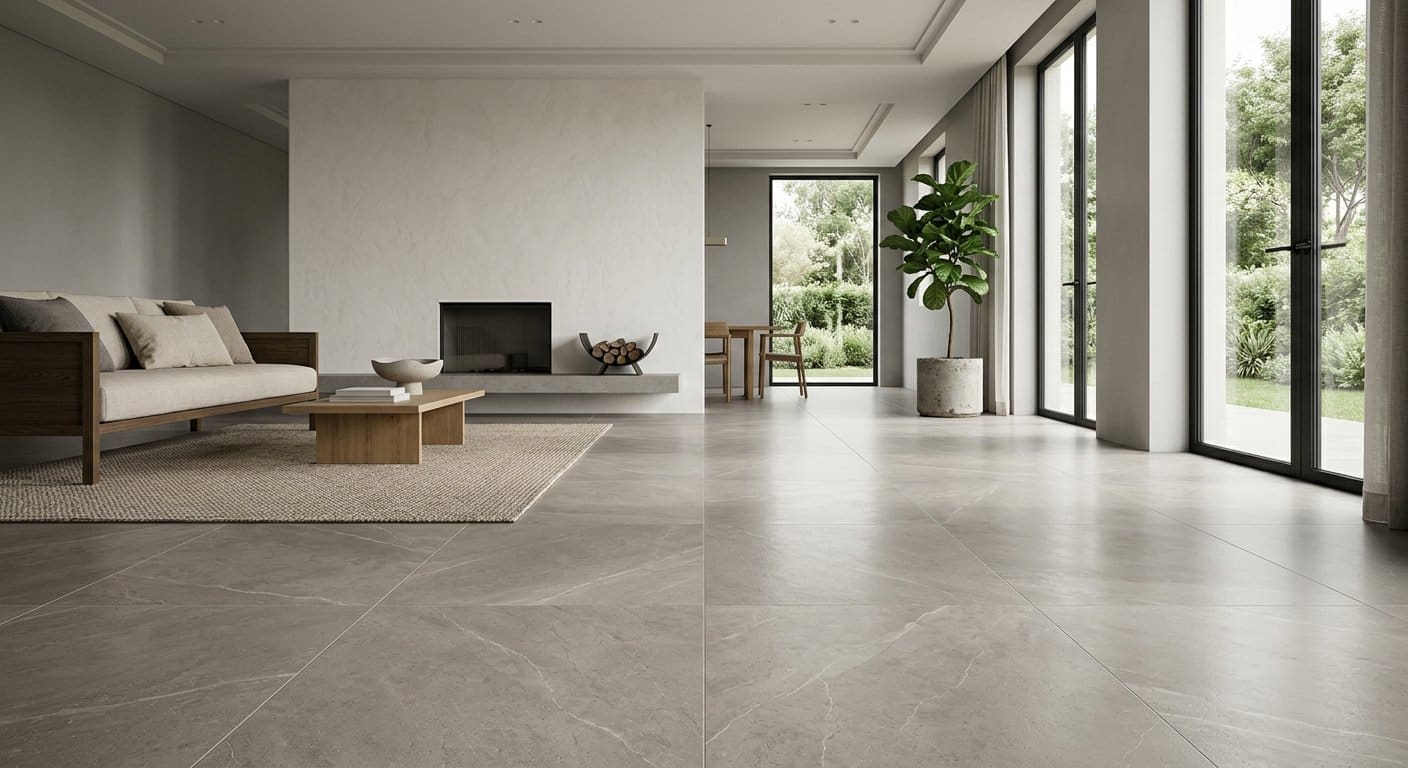
Porcelain, LVP or engineered wood: choosing a floor that lasts
A floor is chosen from a sample held in the hand and judged years later underfoot. The properties that decide how it ages — substrate, moisture and traffic — are the ones a sample cannot show you.
Planning something along these lines?
Send drawings, a room schedule, or photographs of the space. We will tell you what it needs and what it costs.
Get a consultation