Wired or retrofit: choosing a smart home approach
The decision is made by your building programme, not by the technology. If the walls are open you have one set of options; if they are closed you have another, and both can produce a good result.
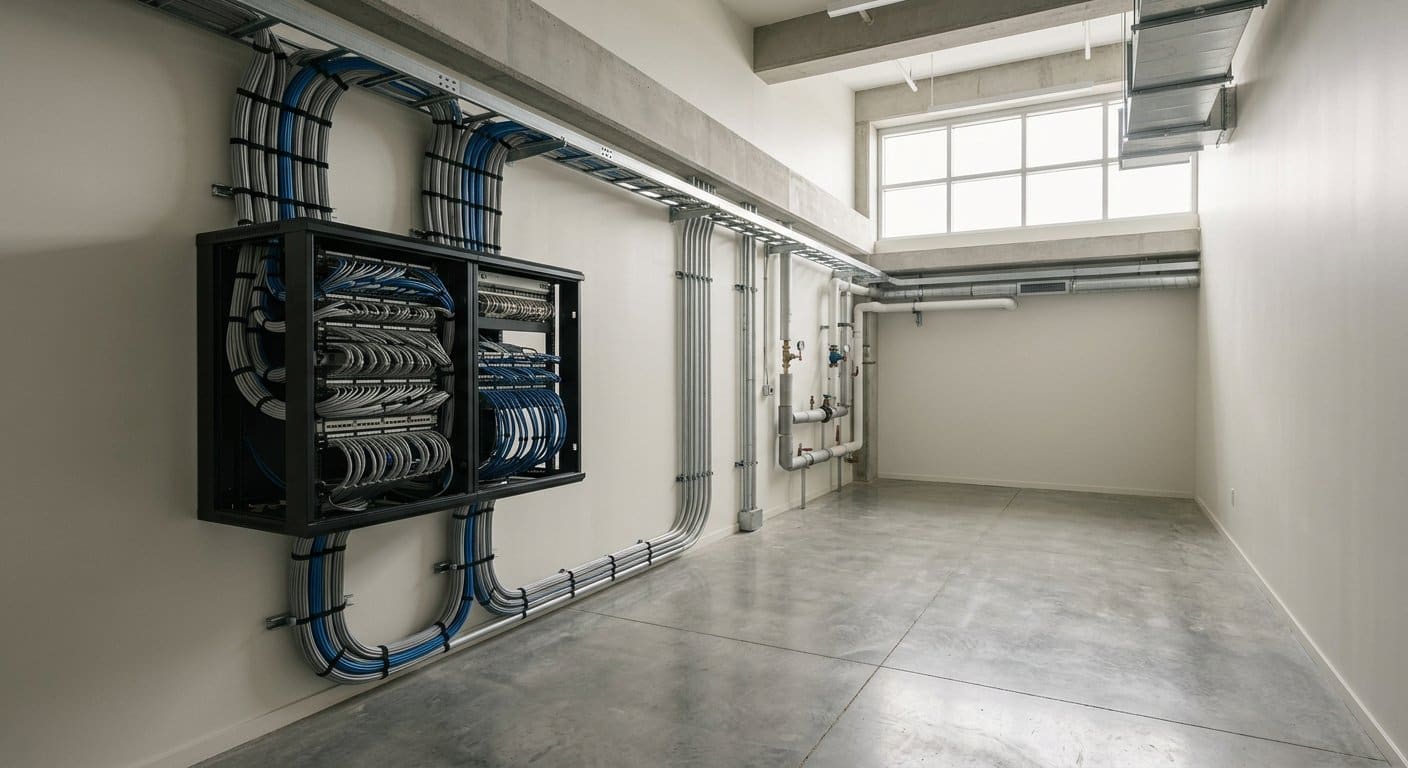
Clients tend to ask which smart home system is best. The more useful question is when you are asking, because the honest answer depends almost entirely on whether the walls are still open.
If the building is under construction
Install wired. While the walls are open, running cable is inexpensive — it is labour and conduit against a backdrop of work already happening. Once the walls are closed, the same cable run becomes chasing, making good and redecoration.
A wired installation gives you response times that are effectively instantaneous, no dependence on wireless conditions, no batteries to replace, and no reliance on a manufacturer keeping a cloud service running. It is the approach that will still be working in fifteen years.
The critical point is that this decision has a deadline. The window closes at first fix. Deciding after plastering means paying twice for the same outcome.
If the building is finished
Retrofit, and do it in stages. Modern wireless systems are far better than their reputation suggests, and the sensible approach is to solve one genuine annoyance at a time rather than automate the entire house at once.
Retrofit lighting generally replaces the switch rather than the fitting, which keeps the wiring untouched and means the existing switch still works normally — important, because any control system that stops guests from turning on a light has failed regardless of how clever it is.
The realistic constraints: you will replace batteries in sensors and some switches every year or two, response is fast but not instant, and heavy masonry walls limit wireless range in a way that open-plan showrooms never demonstrate.
What matters more than the protocol
Debates about competing wireless standards absorb a great deal of attention and rarely change the outcome. Three things matter more:
- Local control — does the system still work when the internet is down? In Ghana this is not a hypothetical. Insist on a hub that runs its logic locally and treats the cloud as optional.
- Manual override — every automated function must have an obvious physical control. Automation should remove effort, never remove the option.
- One system, not five — five apps from five manufacturers is not a smart home. It is five remote controls with extra steps.
A sensible order to add things
For most homes the value ordering is consistent: lighting control first, because it is used constantly and the difference is felt daily. Then security and cameras, which deliver peace of mind rather than convenience. Then climate control, which in a hot climate has real running-cost implications. Blinds, audio and full scene automation last — these are the ones people enjoy most and need least.
Starting at the top of that list means every stage earns its cost before the next begins, and it keeps the initial commitment small enough that a change of direction is not expensive.
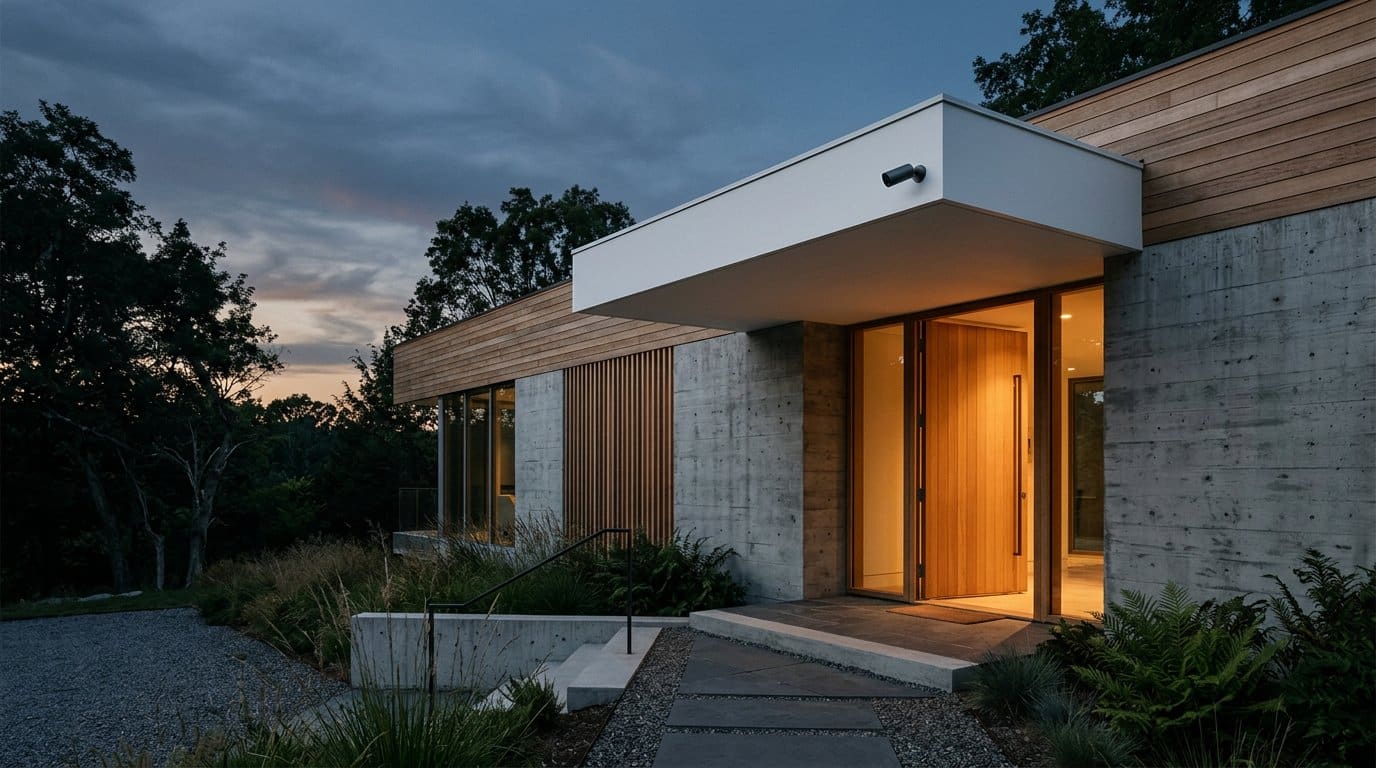
Cameras that help when something actually happens
Resolution is the specification everyone compares and the one that least often decides whether footage turns out to be useful. Placement, light and retention matter more, and all three are settled before anything is bought.
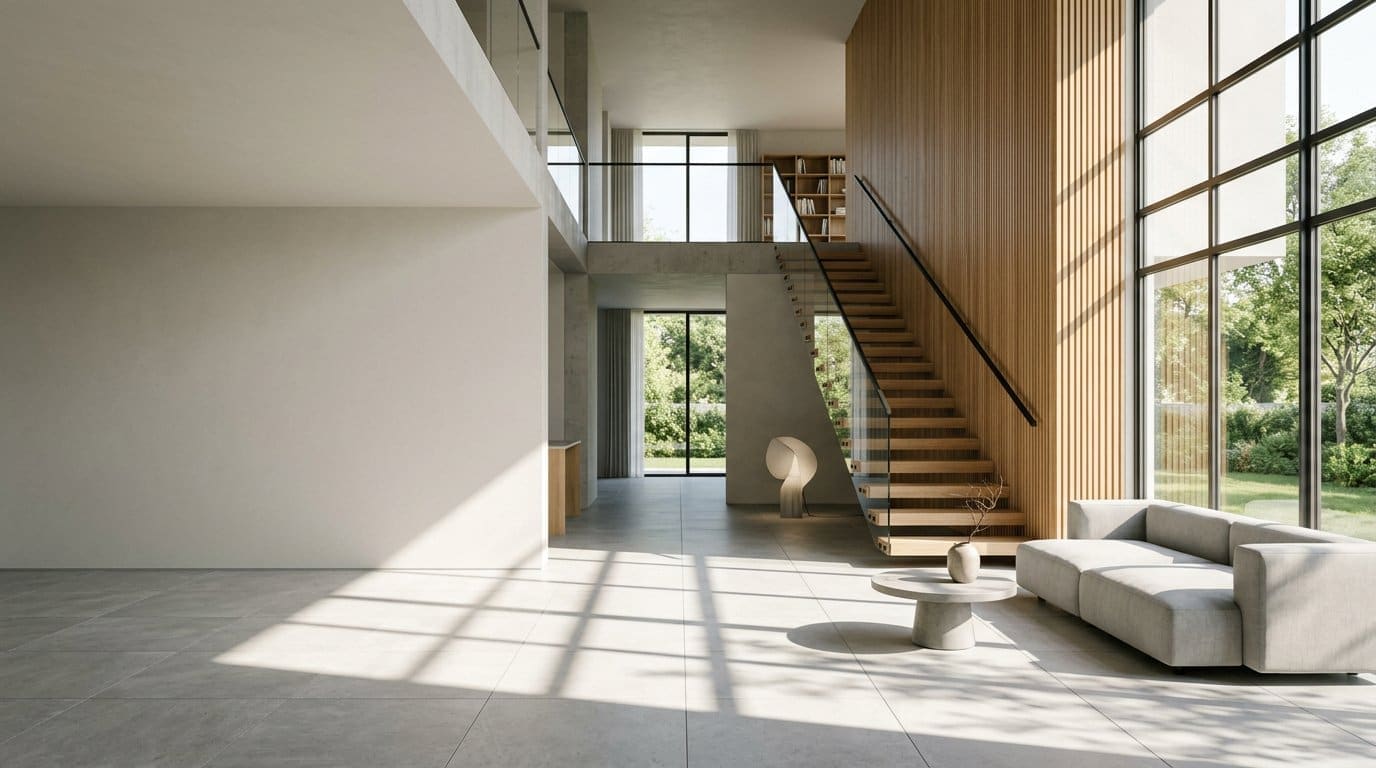
What “supply and install” actually includes
The phrase is used as if everyone already agrees what it covers. They do not. The surprises are almost never the product — they are access, making-good, storage, waste, and who owns the substrate when something is not square.
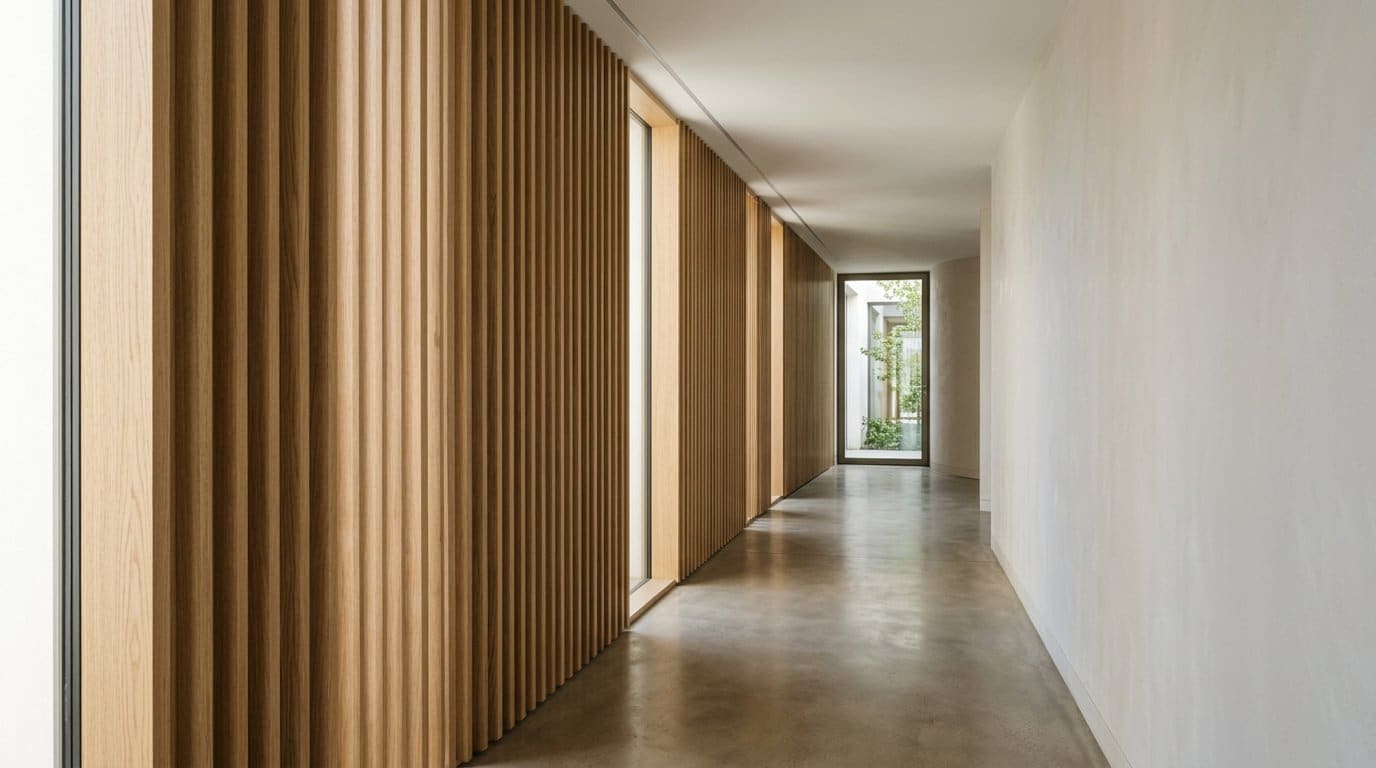
Choosing finishes for Accra humidity and harmattan dust
Ghanaian interiors fail in two seasons for two different reasons: moisture that never quite leaves, and dust that arrives all at once. The finish that looks right on a sample board is not always the one that still looks right in March.
Planning something along these lines?
Send drawings, a room schedule, or photographs of the space. We will tell you what it needs and what it costs.
Get a consultation